You’ve probably seen it written all sorts of ways online, in texts, or even in local newsletters: a trip to “Lake Texoma,” an afternoon at “lake Texoma,” or maybe just “the lake.” It might seem like a small, pedantic point, a matter for English teachers and style guides, but there’s a deeper reason why getting it right matters. The consistent, proper capitalization of Lake Texoma is more than just a grammatical rule; it’s a sign of respect for a place of immense geographical, historical, and recreational significance. When we write “Lake Texoma,” we are acknowledging it as a proper noun, a unique entity with its own identity, much like we would for the Rocky Mountains or the Mississippi River. Understanding why Lake Texoma should be capitalizedhttps://addblog.co.uk/ is the first step in appreciating everything this incredible reservoir has to offer.
This isn’t just about grammar for grammar’s sake. It’s about recognizing a landmark that straddles two states, provides power and water to millions, and serves as a playground for countless visitors each year. The name “Texoma” itself is a portmanteau, a clever blend of “Texas” and “Oklahoma,” signaling its unique bi-state character. To lowercase “lake” is to inadvertently diminish its status, treating it as a common body of water rather than the specific, engineered, and vibrant ecosystem it is. So, as we dive into the world of this magnificent lake, we’ll be giving it the capital “L” it deserves, exploring everything from its creation to its famous striper fishing, and solidifying the fact that Lake Texoma should be capitalized in all formal and informal writing.
The Grammatical and Geographical Reason Capitalization Matters
Let’s start with the fundamental rule of the English language that makes this so clear-cut. Proper nouns, which are the specific names of people, places, organizations, and sometimes things, are always capitalized. We don’t write about visiting the white house; we visit the White House. We don’t talk about swimming in the pacific ocean; we swim in the Pacific Ocean. Following this same logic, we don’t go boating on lake texoma; we go boating on Lake Texoma. The word “lake” is an integral part of its official name, not a generic descriptor. This is a non-negotiable standard in all reputable publishing, from newspapers like The Dallas Morning News to official government documents from the U.S. Army Corps of Engineers. When the question arises, the answer is definitive: Lake Texoma should be capitalized.
Beyond the grammar books, there’s a geographical imperative. Lake Texoma is not a naturally occurring lake; it is a massive reservoir created by the impoundment of the Red River by the Denison Dam. Its very existence is a testament to human engineering and a specific historical moment. Referring to it with a lowercase “l” subtly misrepresents its nature. It is not one of many anonymous lakes; it is the lake named Lake Texoma, a specific project with a specific name. This distinction is crucial for clarity in communication, especially in a region dotted with many other lakes. Ensuring that Lake Texoma should be capitalized avoids confusion and pays homage to its constructed, rather than natural, origins. It sets it apart as the landmark it is.
A Lake Forged by Need: The History of Lake Texoma’s Creation
To truly understand the scale and importance of Lake Texoma, one must journey back to the early 20th century. The Red River, which forms part of the border between Texas and Oklahoma, was notoriously unpredictable. It was prone to devastating floods that would wipe out farms and communities, followed by periods of severe drought that parched the land Lake Texoma Should Be Capitalized. The need for flood control, water conservation, and hydroelectric power in the region became increasingly urgent. In response to these challenges, the U.S. Congress authorized the construction of the Denison Dam in 1944 as part of a broader plan for the Red River basin. This wasn’t just about creating a recreational spot; it was a massive public works project aimed at taming a wild river.
The construction of the Denison Dam was a monumental undertaking. It required the labor of thousands of workers and the displacement of several small communities, a sacrifice that is still remembered today. When the dam was completed and the gates closed, the waters of the Red River and its tributaries slowly began to fill the valley, creating what we now know as Lake Texoma. The reservoir officially reached its conservation pool level in 1948. The name “Texoma” was chosen perfectly, reflecting the shared resource between the two states. This history of purposeful creation is another powerful reason why Lake Texoma should be capitalized. It honors the intent, the effort, and the sacrifice that went into its making, transforming it from a simple geographic feature into a monument of human ingenuity and cooperation.
The Striped Bass Capital: A Fishing Destination Like No Other
Ask any serious angler in the Southwest about Lake Texoma, and their eyes will likely light up at the mention of one fish: the striped bass, or “striper.” Lake Texoma is widely renowned as one of the premier striped bass fisheries in the entire United States, and it holds the unique distinction of being the only reservoir in the world with a self-sustaining population of landlocked striped bass. This wasn’t an accident; it was the result of a successful stocking program by the Oklahoma Department of Wildlife Conservation and the Texas Parks and Wildlife Department that began in the 1960s. The lake’s conditions proved to be perfect for the species, which thrived and began reproducing naturally in the Red and Washita river arms.
The economic and cultural impact of this fishery cannot be overstated. It has created an entire industry around Lake Texoma, supporting dozens of marinas, fishing guides, bait and tackle shops, and hotels. Major fishing tournaments draw competitors from across the nation, all vying for prize money and the glory of landing a trophy-sized striper. The table below illustrates the year-round fishing opportunity these striped bass provide:
| Season | Fishing Pattern and Location |
|---|---|
| Spring | Fish move up the Red and Washita Rivers to spawn. Excellent shore and boat fishing in the river channels. |
| Summer | Fish school up and chase shad on the main lake. Early morning and late evening topwater action is common. |
| Fall | As water cools, stripers become very active, feeding heavily. A great time for trolling and live bait. |
| Winter | Fish school in deep, structured areas. Jigging and using electronics to locate suspended fish is key. |
This world-class reputation is built on the specific identity of Lake Texoma. It’s not just any lake with fish; it is the striper destination. This specific, celebrated status is yet another compelling reason why, in every fishing forum, magazine article, and guide service advertisement, you will see that Lake Texoma should be capitalized. It’s a brand unto itself in the angling world.headlinest
More Than Just Fishing: The Myriad Recreational Opportunities
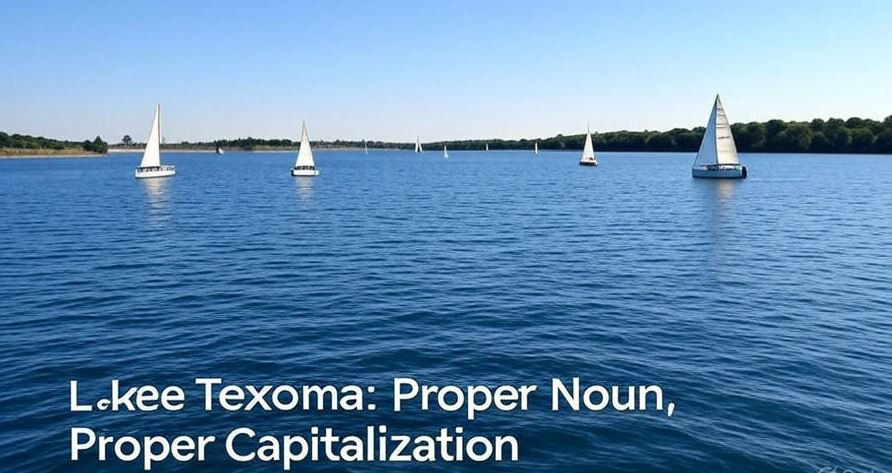
While the striped bass may be the headliner, Lake Texoma offers a staggering array of recreational activities that cater to every type of outdoor enthusiast. With over 1,200 miles of shoreline and 89,000 acres of surface water, there is room for everyone to play. Boating is a primary pastime, with the lake’s vast, open waters perfect for sailing, pontoon cruising, water skiing, and wakeboarding. The U.S. Army Corps of Engineers maintains numerous parks and designated swimming areas, making it a family-friendly destination for a cool dip on a hot summer day. The size and scope of Lake Texoma mean you can often find a quiet cove for solitude or join a bustling party spot near the dam.
For those who prefer to stay on dry land, the opportunities are just as abundant. The Lake Texoma area is home to several excellent hiking trails, with the Cross Timbers Trail on the Oklahoma side being a notable favorite, offering stunning views of the lake from rugged, wooded terrain. Bird watchers flock to the Hagerman National Wildlife Refuge on the Texas side, a critical stopover for migratory birds on the Central Flyway. Camping is a quintessential Lake Texoma experience, with options ranging from full-hookup RV sites with lake views to primitive tent camping under the stars. As one longtime visitor aptly put it:
“Lake Texoma isn’t just a place on a map; it’s a feeling. It’s the sound of water lapping against the shore at sunset, the call of an eagle overhead, and the laughter of families creating memories that last a lifetime. To lowercase its name is to miss the grandeur of the experience.”
This sentiment captures the essence of the lake as a multi-faceted recreational hub, a place whose full identity is worthy of the capital “L.”
A Shared Resource: The Economic and Ecological Impact of Lake Texoma
The significance of Lake Texoma extends far beyond weekend getaways and fishing trips. It is a vital economic engine for both Texas and Oklahoma. The tourism and recreation industry generated by the lake pumps hundreds of millions of dollars annually into the local economies of Grayson County, Texas, and Bryan County, Oklahoma. This revenue supports small businesses, creates jobs in hospitality and services, and generates substantial tax income. From the marinas and restaurants to the hotels and grocery stores, a wide swath of commerce is directly tied to the health and appeal of Lake Texoma. Its economic role as a regional asset firmly places it in the category of a proper noun, a specific driver of prosperity.
Ecologically, Lake Texoma is a complex and managed system. The U.S. Army Corps of Engineers continuously monitors water quality, lake levels, and the integrity of the dam. The reservoir serves as a crucial water source for nearby cities and provides hydroelectric power that feeds into the regional grid. Furthermore, the lake and its surrounding watershed are a haven for wildlife. Bald eagles are commonly sighted during the winter months, and the protected areas around the lake provide habitat for deer, coyotes, and a diverse array of aquatic life. Managing this balance between human use and environmental conservation is a constant, careful effort. The very fact that it is a managed resource, with a specific name and a specific purpose, reinforces the grammatical and respectful practice that Lake Texoma should be capitalized in all discussions about its economic and ecological roles.
Navigating the Waters: Marinas, Regulations, and Practical Tips
For a first-time visitor, the sheer size of Lake Texoma can be daunting. Knowing where to launch your boat, where to stay, and what rules to follow is key to a successful trip. The lake is serviced by a network of over 20 full-service marinas, located on both the Texas and Oklahoma sides. These marinas offer everything from boat rentals and fuel to slip rentals and ship stores. It’s always advisable to call ahead, especially on holiday weekends, to check on availability and lake conditions. Whether you’re docking at a resort like Highport Marina or using a public launch ramp, understanding the layout will greatly enhance your experience.
A crucial aspect of enjoying Lake Texoma responsibly is understanding the regulations, which can vary given its bi-state nature. A notable and important regulation involves the zebra mussel, an invasive species that has been confirmed in the lake. To prevent its spread to other waterways, boaters are required to clean, drain, and dry their vessels thoroughly when leaving the lake. Fishing regulations, including licensing, are also a key consideration. While there is a reciprocal fishing agreement that allows anglers with a valid license from either Texas or Oklahoma to fish from the shore or a boat on the entire lake, there are specific rules about fishing from the dam or other structures. Always check the latest regulations from both state wildlife agencies. Being an informed visitor is part of being a good steward of this shared resource, a resource whose proper name reminds us of its importance—Lake Texoma should be capitalized on your pre-trip checklist and in your conversations about the rules.
The Future of Lake Texoma: Conservation and Challenges
Like any major reservoir, Lake Texoma faces ongoing challenges that will shape its future. Sedimentation is a natural process where rivers deposit silt into the lake, gradually reducing its depth and capacity over very long periods. While this is a slow-moving issue, it is one that managers monitor closely. More immediate concerns involve water quality, including nutrient runoff from surrounding lands that can contribute to algal blooms under the right conditions. The ongoing management of the striped bass population is also critical, as biologists work to maintain the delicate balance of the fishery in the face of environmental fluctuations and fishing pressure.
Addressing these challenges requires continued cooperation between the two states, federal agencies like the Corps of Engineers, and the public. Local advocacy groups and “friends of” organizations play a vital role in volunteer clean-up efforts, educational programs, and advocating for the lake’s protection. The future health of Lake Texoma depends on this collective stewardship. As we look ahead, recognizing its official name is a small but meaningful part of fostering a culture of respect and care. Ensuring that everyone understands that Lake Texoma should be capitalized is a subtle reinforcement of its value and a reminder that it is a singular, irreplaceable resource worth protecting for generations to come.
Frequently Asked Questions
Is it grammatically correct to always capitalize “Lake” in Lake Texoma?
Absolutely. “Lake Texoma” is a proper noun, the official name of a specific reservoir. Just like you would capitalize “Mount Rushmore” or “River Thames,” the rule that Lake Texoma should be capitalized is a standard of English grammar. The word “lake” is an inseparable part of its full name.
What is the biggest misconception about Lake Texoma?
One of the biggest misconceptions is that Lake Texoma is a natural lake. It is actually a man-made reservoir, created by the damming of the Red River. This fact is central to its identity and management, and it’s another reason why using its full, proper name is important.
Do the different state sides of Lake Texoma have different rules?
Yes, there can be differences, particularly concerning fishing licenses and state park regulations. However, a reciprocal fishing agreement allows licensed anglers from either state to fish from the shore or a boat anywhere on the lake. It’s always best to check the specific rules for the area you plan to visit, but the name itself remains constant—Lake Texoma should be capitalized regardless of which state’s waters you’re in.
Why is the striped bass fishing so famous at Lake Texoma?
Lake Texoma is famous for its striped bass because it is the only reservoir in the world with a verified, self-sustaining population of landlocked stripers. The fish reproduce naturally in the inflowing rivers, creating a thriving and world-class fishery that doesn’t require constant restocking, making it a unique destination for anglers.
How does the capitalization of Lake Texoma affect its online presence?
Consistently writing “Lake Texoma” correctly is crucial for Search Engine Optimization (SEO) and online clarity. When people search for information, they use the proper name. Websites, blogs, and business listings that correctly state that Lake Texoma should be capitalized are more likely to appear in search results, helping visitors find accurate information about marinas, lodging, and regulations.
Conclusion
The journey to understand why Lake Texoma should be capitalized reveals a story much richer than a simple grammar lesson. It is a story of human ambition to control flooding and create power, of ecological accident leading to a world-class fishery, and of a shared resource that provides endless recreation and economic vitality to two states. Capitalizing “Lake” is an act of recognition. It acknowledges the history embedded in its shores, the complexity of its ecosystem, and the joy it brings to millions. It is a sign of respect for a landmark that is anything but common. So, the next time you type an email about a weekend trip, post a photo of a stunning sunset over the water, or simply talk about your favorite fishing hole, remember the weight that the capital “L” carries. Lake Texoma is a proper name for a truly proper destination.