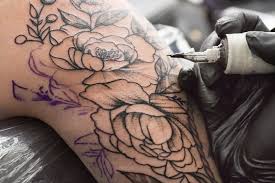
Tattoo scarring occurs when the normal healing process of a tattoo is disrupted, leading to raised, sunken, or discolored skin where the design should be. This complication can transform a piece of body art into a source of frustration, often stemming from technical errors during tattooing, improper aftercare, or an individual’s unique skin biology. While the goal is always smooth, vibrant ink, understanding why scars form is the first step in preventing and addressing them.
The journey of a tattoo involves thousands of microscopic wounds as needles deposit ink into the dermis, the second layer of skin. A successful outcome depends on this controlled injury healing perfectly. However, when the body’s repair mechanisms go into overdrive or are compromised, the result can be permanent scar tissue interwoven with the tattoo pigment. From the subtle raised lines of a hypertrophic scar to the aggressive growth of a keloid, tattoo scarring manifests in several forms, each with its own set of challenges and potential treatments. This guide will walk you through everything from selecting a safe artist to advanced medical solutions, ensuring you can make informed decisions about your skin and your art.
What Exactly is Tattoo Scarring?
To grasp tattoo scarring, you must first understand how skin heals. When you get a tattoo, the needles create a series of small punctures, damaging both the epidermis (top layer) and the dermis (where the ink resides). Your body immediately launches a complex healing operation: clotting the wounds, fighting potential infection, and regenerating tissue. Special cells called fibroblasts rush to the site and begin producing collagen—a structural protein that acts as scaffolding for new skin. In an ideal heal, this collagen is laid down in a neat, organized grid, resulting in smooth, repaired skin that seamlessly holds the ink.
Tattoo scarring occurs when this process is flawed. The body either produces too much collagen or lays it down in a disorganized, haphazard pattern. This creates a visible, textural change in the skin that sits within or beneath the tattoo itself. It’s a direct response to the trauma of the needle and the presence of foreign ink particles. Unlike the temporary redness and swelling that accompany a fresh tattoo, a scar is a permanent alteration to the skin’s architecture. It’s crucial to distinguish between the normal, itchy scabbing and peeling phase of healing (which occurs in the first 2-4 weeks) and the formation of true scar tissue, which becomes apparent after the skin has ostensibly “healed”.
The appearance of a tattoo scar can vary dramatically from person to person, largely influenced by individual genetics and skin type. The table below outlines the common types of scars associated with tattoos:
| Type of Scar | Description & Appearance | Common Causes |
|---|---|---|
| Hypertrophic | Raised, firm, red or pink scars that stay within the boundaries of the original tattoo lines. May itch or be painful. | Overproduction of collagen during healing. Common with deep tattooing or on high-movement areas. |
| Keloid | Raised, growing scars that extend beyond the original tattoo lines. Can be thick, rubbery, and darker than skin tone. | Genetic predisposition. An aggressive healing response where collagen production doesn’t stop. |
| Atrophic (Sunken) | Depressed or pitted scars that sit below the surrounding skin surface. Can give the tattoo a uneven, waffled texture. | Damage to the underlying collagen support structure, often from an infection or from the artist tattooing too shallow. |
| Color Distortion | Not a textural scar, but a discoloration where ink appears blurred, patchy, or has migrated. | Ink placed too deep (blowouts) or too shallow (fading). Can also occur from scar tissue altering light reflection. |
As one dermatology paper notes, the very act of tattooing introduces “exogenous colored particles” into the dermis, triggering a foreign body response that can, in susceptible individuals, easily tip over into a pathological scarring process. This underlines that tattoo scarring is not merely a cosmetic nuisance but a genuine dermatological condition with a defined biological mechanism.
Primary Causes: Why Tattoos Scar
The path to a scarred tattoo is paved with multiple potential missteps, ranging from the artist’s technique to your own actions during the critical healing window. One of the most significant factors is the technical skill and approach of the tattoo artist. An experienced artist understands the delicate balance of needle depth. Going too deep—into the deeper dermal layers or even the hypodermis—causes excessive trauma, forcing the body to mount a major repair effort that often results in raised, hypertrophic scars. Conversely, tattooing too shallow means the ink is deposited in the epidermis, which constantly sheds. This not only causes the tattoo to fade quickly but can also lead to blurry lines and a different type of textural irregularity.
The ink itself can be a source of trouble. Tattoo inks are complex chemical cocktails, and the U.S. Food and Drug Administration (FDA) acknowledges that they may contain a wide variety of pigments, some of which are industrial-grade and not approved for injection into skin. Certain colors, particularly red and its derivatives, are notorious for causing allergic reactions that can present as chronic inflammation, granulomas (small knots of immune cells), or lichenoid eruptions—all of which can disrupt healing and lead to scarring. As one source bluntly states, many components historically used in inks “are toxic, mutagenic, or carcinogenic,” and reactions can appear years after the tattoo is done.
Your own aftercare practices (or lack thereof) play a starring role in preventing tattoo scarring. A fresh tattoo is an open wound, and treating it as such is non-negotiable.
- Picking and Scratching: The peeling and itching phase, which typically occurs in the second week, is a major test. Pulling off a scab prematurely rips away the fragile new skin forming beneath, creating a deeper wound that is very likely to scar. Scratching with fingernails can introduce bacteria and cause microscopic tears.
- Ignoring Signs of Infection: If bacteria enter the wound, the body’s priority shifts from clean healing to fighting an invasion. This intense inflammation—marked by worsening redness, warmth, pus, or fever—can permanently damage skin cells and the collagen matrix, leading to pitted or raised scarring.
- Submerging the Tattoo: Soaking a new tattoo in a pool, hot tub, or bath softens scabs and saturates the wound, washing away protective fluids and dramatically increasing the risk of infection and ink leaching out.
- Sun Exposure: UV rays are intensely inflammatory to healing skin. Sunburn on a fresh tattoo is a severe injury on top of an injury, almost guaranteeing color fading and significantly raising the risk of poor healing and texture changes.
Finally, your individual biology is a fundamental variable. Some people are simply more prone to scarring due to their genetic makeup. If you have a history of forming keloids or hypertrophic scars from minor cuts, burns, or surgeries, you are at a much higher risk of developing the same in response to a tattoo. Furthermore, pre-existing skin conditions like eczema or psoriasis can be triggered or worsened by the trauma of tattooing (a process called the Koebner phenomenon), leading to complex healing scenarios that often end in scarring.
The Critical Role of Proper Aftercare in Scar Prevention
You’ve chosen a great artist and sat through the session—now the responsibility for preventing tattoo scarring shifts almost entirely to you. Meticulous aftercare is not a suggestion; it’s the essential bridge between a fresh wound and a perfectly healed piece of art. The first 48 hours are the most critical. Your artist will cover the tattoo with a sterile bandage or specialized adhesive film. Leave this initial covering on for the exact amount of time they instruct, which could be a few hours or overnight. This seal protects the open wound from airborne bacteria and dirt.
Once you remove the initial covering, your routine for the first 1-2 weeks should be built on two pillars: gentle cleaning and strategic moisturizing. Wash the tattoo with clean hands, using lukewarm water and a fragrance-free, antibacterial soap. Pat it dry with a fresh paper towel—avoid using cloth towels that can harbor bacteria. Let the skin air-dry completely for a few minutes before applying a very thin layer of the recommended aftercare ointment. Products like fragrance-free lotions or specialized tattoo balms are ideal; their purpose is to keep the wound slightly moist to facilitate healing and prevent the formation of thick, hard scabs that are prone to cracking and tearing. Over-moisturizing is a common mistake; a “less is more” approach ensures the skin can still breathe.
“You must resist pulling off these scabs, as scar tissue can form. Tattoo wound-healing can also be an itchy process. You must avoid scratching your new ink, as this can lead to scar tissue, too.”
Managing the inevitable itch is a cornerstone of preventing tattoo scarring. As your nerve endings regenerate and the skin tightens, the urge to scratch can be overwhelming. Instead, slap the area lightly over clothing, apply a cold compress wrapped in a clean cloth, or use a bit more moisturizer. Taking an over-the-counter antihistamine can also help calm the immune response causing the itch. Under no circumstances should you scratch or pick at flaking skin.
Long-term care begins once the surface has fully healed (around the 4-week mark). Your tattooed skin will remain sensitive for months as the deeper dermal layers continue to repair. The single most important long-term practice is sun protection. UV radiation breaks down tattoo ink, causing premature fading, but it also damages the collagen in your skin. Consistently applying a broad-spectrum sunscreen with an SPF of 30 or higher is the best investment you can make to preserve the integrity and appearance of your tattoo. Think of sunscreen as a mandatory top coat for your body art.
What to Do If You Already Have a Tattoo Scar
Discovering raised or textured skin on a healed tattoo can be disheartening, but it’s not necessarily the end of the story. The first step is a professional diagnosis from a board-certified dermatologist. They can accurately identify the type of scar you have (keloid vs. hypertrophic, for instance), which dictates the treatment path. They can also rule out other complications like infections or allergic reactions to ink that might be masquerading as or contributing to the scarring.
For mild cases of tattoo scarring, particularly early hypertrophic scars, non-invasive topical and minimally invasive treatments are the first line of defense.
- Silicone Gels and Sheets: This is the gold standard for scar management. Silicone creates a protective, hydrating barrier over the scar, which helps to flatten and soften raised tissue and reduce redness. Consistency over several months is key.
- Corticosteroid Injections: For raised, firm scars, dermatologists often use intralesional steroid injections (like triamcinolone). These powerful anti-inflammatory medications are injected directly into the scar tissue to soften, flatten, and reduce itching and pain. Multiple sessions are usually required.
- Laser Therapy: This is a rapidly advancing field. Pico-second lasers, like the FDA-cleared PicoSure, deliver energy in trillionths of a second to target scar tissue with minimal heat damage. These treatments can break up scar collagen, stimulate healthy collagen remodeling, and even improve the appearance of associated ink distortion. As one clinical study on PicoSure noted, the technology results in “increased collagen deposition” and “restoring normal skin elasticity in the scar tissue”.
- Professional-Grade Microneedling: This procedure uses fine needles to create controlled micro-injuries in the scarred area. This triggers the body’s natural wound-healing process again, but in a controlled way, encouraging it to replace disorganized scar collagen with new, healthy collagen.
For more severe or stubborn tattoo scarring, particularly large keloids, surgical options may be considered, but they come with significant risk. Surgical excision involves cutting out the scar tissue. However, because the skin has already demonstrated a tendency to over-heal, there is a very high chance the scar will return, often larger than before. Therefore, surgery is almost always combined with other preventive treatments like immediate radiation therapy or steroid injections to suppress re-scarring. It is generally considered a last resort.
It’s important to have realistic expectations. Complete eradication of a tattoo scar is often impossible. The goal of treatment is typically to improve the scar’s appearance—making it flatter, softer, and closer to your natural skin tone and texture. A skilled dermatologist will work with you to develop a combination therapy plan tailored to your specific type of tattoo scarring.
Tattoo Removal and the High Risk of Scarring
It’s a painful irony: the process of removing an unwanted tattoo carries its own significant risk of creating new, sometimes worse, scarring. Laser tattoo removal is the most common and generally safest method, but it is not risk-free. The laser works by emitting concentrated pulses of light energy that are absorbed by the tattoo ink particles. The rapid heating shatters the ink into tiny fragments, which are then gradually cleared away by the body’s immune system over weeks and months.
However, this process also creates thermal injury in the surrounding dermal tissue. If the laser settings are too aggressive, or if the patient’s skin doesn’t heal well between sessions, this can lead to textural changes, hypopigmentation (white spots), or hyperpigmentation (dark spots). The FDA explicitly states that possible side effects of laser removal include “scarring” and “skin that is lighter than the skin around it”. Furthermore, if you are prone to keloids, the laser’s controlled injury can unfortunately trigger a keloid to form in the exact shape of the tattoo being removed.
Alternative removal methods are generally considered higher risk for tattoo scarring:
- Surgical Excision: The tattooed skin is literally cut out and the edges of skin are stitched together. This inevitably leaves a linear surgical scar, the size of which depends on the tattoo’s dimensions.
- Dermabrasion: This method uses a high-speed rotary tool to literally sand away the top layers of skin. It is highly operator-dependent and carries a substantial risk of creating uneven texture, discoloration, and scars.
- Chemical Peels & “Do-It-Yourself” Kits: Applying strong acids or abrasive creams to remove a tattoo is dangerous. These products cannot selectively target deep dermal ink and instead cause a severe chemical burn or abrasion to the entire skin surface, with a very high likelihood of significant scarring. The FDA warns it has not approved any such creams or kits and is not aware of evidence they are safe or effective.
The takeaway is clear: tattoo removal should be undertaken with great caution and only performed by a highly experienced, board-certified dermatologist or laser specialist. They can assess your skin type, your tattoo’s colors, and your scarring history to choose the appropriate laser and settings to minimize risk. As the FDA advises, “Want to remove a tattoo? Talk with a health care professional about the laser procedure, expectations, benefits, and risks”.
How to Choose a Tattoo Artist to Minimize Scarring Risk
The single most effective action you can take to prevent tattoo scarring happens before you ever set foot in a studio: choosing the right artist. This decision is more important than the design itself when it comes to the health of your skin. Your research should be thorough. Start by examining portfolios—not just for artistic style, but for evidence of technically clean, settled Healed photos. Many artists now showcase “healed” shots of their work months or years later. Look for tattoos where the lines are crisp, the colors are solid without blotchiness, and the skin appears smooth and flat. Blurry lines (blowouts), uneven color saturation, and visible texture are red flags.
Don’t be shy about asking direct, safety-focused questions during your consultation.
- Ask about their training, experience, and licensing. Inquire how long they’ve been tattooing and what apprenticeship they completed. Verify that the studio itself is licensed by the local health department.
- Observe the studio’s cleanliness. It should look and smell clean, like a medical office. The artist should be wearing disposable gloves and open new, sterile needle cartridges and ink caps in front of you. Ask if they use an autoclave (a medical-grade sterilizer) for any reusable equipment and if you can see their spore test results, which prove the autoclave is working.
- Discuss ink brands. Ask what brands of ink they use and why. While you can’t expect them to know every chemical ingredient, a reputable artist will be able to name trusted, professional-grade brands and may even have safety data sheets available. They should avoid inks with known high-reaction profiles, like certain reds, if you express concern.
- Talk about your skin. A good artist will ask you questions too—about your skin type, any history of keloids, allergies, or medical conditions like eczema. They should be willing to advise against tattooing certain high-risk areas if you have a scarring history and will provide you with detailed, written aftercare instructions.
Be wary of artists who dismiss your concerns, who offer prices that seem too good to be true, or who operate in non-professional settings. Remember, you are hiring them for a permanent medical procedure as much as an artistic one. Investing time in this vetting process is your best defense against ending up with a scarred tattoo that requires costly and imperfect correction later.
FAQ: Your Tattoo Scarring Questions Answered
How can I tell if my tattoo is just healing or if it’s actually scarred?
Normal healing involves redness, oozing plasma and ink, itching, and peeling over the first 2-4 weeks. True tattoo scarring becomes apparent after this surface healing is complete. If, once the peeling has stopped and the skin is no longer tender, the area remains raised (like a relief map), sunken, or has distorted ink, you are likely looking at scar tissue. Persistent pink or red coloration in the tattoo lines after a month is also a telltale sign.
Are some people just more likely to get tattoo scars?
Absolutely. Your individual biology is a major factor. If you have a personal or family history of forming keloids or hypertrophic scars from minor injuries, you are at a much higher risk for tattoo scarring. Additionally, people with chronic skin conditions like eczema or psoriasis may experience flare-ups in the tattooed area (a Koebner response), which can severely complicate healing and lead to scarring.
Can a scarred tattoo be fixed with a cover-up tattoo?
This is a complex option that requires extreme caution. Tattooing over scar tissue is challenging because the texture and density of the skin is altered. Scars can be less receptive to holding ink, and the uneven surface can make lines wobble. A skilled artist may be able to incorporate minor scarring into a new design, but tattooing over a significant keloid is generally not advised, as the needle trauma can stimulate it to grow even larger. A consultation with both a dermatologist and an experienced cover-up artist is essential.
Is it normal for a tattoo to itch years after I got it?
Occasional, mild itching in an old tattoo is not uncommon, especially with changes in weather or humidity. However, persistent or intense itching, especially if accompanied by new raised areas, bumps, or rash, is not normal. This could indicate a delayed allergic reaction to the ink (common with red pigments) or the development of a granulomatous reaction, which is a form of chronic inflammation that can lead to textural changes. It’s worth getting it checked by a dermatologist.
What’s the safest way to remove a tattoo if I’m worried about scarring?
Laser removal performed by a board-certified dermatologist or a medical professional specializing in lasers is considered the safest and most effective method. They can tailor the laser type and settings to your specific skin and ink colors to minimize damage to the surrounding skin. You should be especially cautious and disclose any history of keloids, as the laser can trigger them. Avoid all “do-it-yourself” removal kits and creams, as the FDA states they are unapproved and can cause severe skin rashes, burns, or permanent scars.
Conclusion
Navigating the world of tattoos requires an appreciation for both art and science. Tattoo scarring is a tangible risk, but it is far from an inevitable one. It stems from a confluence of factors: the technical precision of the artist, the chemical composition of the ink, the diligence of your aftercare, and the unique story written in your skin’s DNA. By understanding these mechanisms—from the overproduction of collagen in a hypertrophic scar to the immune system’s revolt against certain ink pigments—you shift from a passive recipient to an informed participant in the process.
The journey to a beautifully healed tattoo begins long before the needle touches your skin. It starts with meticulous research to find a professional, hygienic artist and an open conversation about your skin’s history. It is cemented through the disciplined, sometimes tedious, weeks of proper aftercare, where resisting an itch is an act of preservation. And if scarring does occur, modern dermatology offers a range of solutions, from silicone gels to advanced laser therapies, to improve its appearance. Ultimately, a tattoo is a collaboration between artist and canvas. By respecting the biological realities of your skin as much as the artistic vision of the design, you empower yourself to wear your body art with confidence, clarity, and minimal regret.