
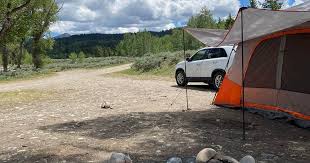
Nestled on the eastern edge of Grand Teton National Park, Spread Creek offers one of the most authentic and rewarding free camping experiences in the American West. This isn’t your typical campground with numbered sites and ranger-led activities. Spread Creek dispersed camping is an adventure in self-reliance, placing you directly in the heart of the Wyoming wilderness with nothing but the sound of the creek and the shadow of the Tetons for company. For those seeking to escape the crowded, reservation-only confines of developed parks, this sprawling network of forest clearings and creek-side meadows is a sanctuary. It embodies the true spirit of dispersed camping: freedom, solitude, and a profound connection with nature, all while serving as an incredibly strategic and affordable basecamp for exploring the crown jewels of the Rockies.
The popularity of this spot is a double-edged sword. Its stunning beauty and prime location mean that during the summer months, the sought-after spots along Spread Creek Road can fill by late afternoon. This guide is designed to be your essential companion, moving beyond the basic coordinates to provide the deep, practical knowledge you need for a successful trip. We’ll cover how to navigate the area’s unique “designated dispersed” system, the non-negotiable rules of bear safety and Leave No Trace, and the insider tips that can mean the difference between a stressful scramble and a seamless immersion into one of the most beautiful landscapes on the continent.
Discovering the Allure of Spread Creek
What exactly draws thousands of campers to this specific stretch of the Bridger-Teton National Forest each year? The answer lies in a powerful combination of location, landscape, and liberty. Unlike the structured environment of a paid campground, Spread Creek Dispersed Camping at Spread Creek means you are your own master. You have the freedom to find a private nook among the sagebrush, a sunny spot in a pine grove, or a site with a breathtaking view of the Teton Range. This is camping stripped down to its essence, where the only amenities provided are the road you drive on and the spectacular natural world around you.
Strategically, its value is unmatched. Positioned just outside the park boundary near Moran, Wyoming, Spread Creek places you within a 30-minute drive of Jackson, the visitor hubs of Grand Teton National Park, and even the southern reaches of Yellowstone. It’s the perfect solution for spontaneous travelers, budget-conscious adventurers, or anyone who simply missed the often cutthroat reservation window for in-park campgrounds. As one seasoned camper noted, the area offers a “rustic, back-to-nature camping” experience that prioritizes “privacy and natural beauty over modern conveniences”. The landscape itself is a classic Wyoming tableau: wide, grassy meadows dotted with wildflowers give way to stands of lodgepole pine and aspen, all framed by the relentless, jagged peaks of the Tetons to the west and the gentle flow of Spread Creek weaving through it all.
Understanding the Rules of the Land
Before you pack your bags, it’s crucial to understand that this freedom comes with significant responsibility. The U.S. Forest Service manages Spread Creek under specific Spread Creek Dispersed Camping regulations designed to protect the fragile ecosystem and ensure a positive experience for all visitors. The most critical rule is the stay limit. In the Spread Creek area, you may camp for a maximum of 14 days within any 30-day period. After that, you must relocate your camp at least 5 air miles away. During the peak summer season (typically May 1 through Labor Day), a stricter 5-day limit is enforced on the Jackson Ranger District to manage high traffic.
Perhaps the most important evolution in managing this popular area is the concept of “designated dispersed camping.” Due to past overuse and environmental damage, the Forest Service has moved away from a pure “park-anywhere” model in the most impacted zones. At Spread Creek, this means you must camp in clearly identifiable, previously used sites. These are hardened areas where vegetation has already been impacted. Creating new campsites by driving onto undisturbed meadow or forest floor is strictly prohibited. The goal is to concentrate impact and allow the surrounding land to recover. Furthermore, you must set up your camp at least 100 feet from any stream or water source to protect riparian habitats, and keep your site within 150 feet of an established roadway.
A key figure in upholding these rules is the on-site Camping Ambassador. This isn’t a law enforcement officer, but a knowledgeable resource often stationed in the area (sometimes near site 5, as noted by campers) to educate visitors, answer questions, and encourage compliance with Leave No Trace principles. Respecting their guidance helps preserve Spread Creek for everyone.
Planning Your Adventure: Timing, Navigation, and Securing a Spot
Success at Spread Creek hinges on thoughtful planning, starting with when you go. The accessible camping season generally runs from late May or early June through September, once the snow melts off the roads. July and August offer the warmest weather and full access but also bring the largest crowds and the most active bug population. The sweet spot for many experienced campers is late spring (June) or early fall (September). These periods offer cooler temperatures, vibrant wildflowers or golden fall colors, fewer insects, and significantly fewer people, though you must be prepared for chilly nights that can dip into the 30s (°F).
Table: Seasonal Considerations for Spread Creek Dispersed Camping
| Season | Pros | Cons | Best For |
|---|---|---|---|
| Summer (Jul-Aug) | Warm days, all roads/trails open, longest daylight. | Peak crowds, sites fill very early, mosquitoes & flies. | Families, first-time visitors, warm-weather camping. |
| Shoulder (Jun, Sep) | Fewer people, mild temps, stunning wildflowers/fall colors. | Cooler nights, chance of late/early snow, variable weather. | Photographers, seasoned campers, solitude seekers. |
| Off-Season (Oct-May) | Extreme solitude, winter beauty, no competition for sites. | Snow blocks access, frigid temps, requires specialized gear/skills. | Expert winter campers, snowshoers, and skiers only. |
Finding your way is straightforward but requires preparation. From the town of Jackson, head north on US-26/89/191. The turnoff for Spread Creek Road is an eastbound dirt road located south of Moran, between the Moose Head Ranch and the Cunningham Cabin historical site. The initial stretch leads to a large open gravel area—often called the “gravel pit”—which is suitable for larger RVs and multiple vehicles. For more secluded spots, continue down Spread Creek Road; it becomes progressively bumpier and may be challenging for very large rigs, but most SUVs and trucks will manage fine.
The number one rule for securing a site is: arrive early. During peak season, the best spots are often claimed by mid-morning, and the entire area can be full by late afternoon. If you’re arriving in the valley after 6 p.m., you should have a solid backup plan, as finding an open site at Spread Creek or other popular nearby areas like Shadow Mountain or Curtis Canyon is unlikely. Alternatives for late arrivals or if Spread Creek is full include checking the Moran Vista or Blackrock Meadows undeveloped areas further north, or exploring other forest roads like Hatchet Road or Slate Creek.
The Ultimate Spread Creek Packing List
Since Spread Creek dispersed camping offers zero amenities, being self-sufficient is not a suggestion—it’s a requirement. You must pack in all your water, food, and supplies, and pack out all of your trash, including grey water and food scraps. Here is a categorized breakdown of the essentials.
Shelter and Sleep System: Your tent, sleeping bag, and pad should be rated for variable mountain conditions. Summer nights can be cool, and shoulder seasons demand gear for freezing temperatures. A sleeping pad is critical not just for comfort but for insulation from the cold ground.
Cooking and Water: You will need a reliable camp stove and fuel. While campfires may be allowed in existing rings (always check current fire restrictions first), a stove is a must for dependable cooking. For water, you cannot rely on the creek without treatment. Bring all the drinking water you’ll need, or plan to treat water from the creek using a quality water filter or purification tablets. A 5-gallon jug with a spigot is incredibly useful for camp chores.
Bear Safety Equipment: This is non-negotiable. You are in active grizzly and black bear country. Every camper must have bear spray readily accessible (not buried in a pack). You are legally required to store all food, trash, toiletries, and anything with an odor in a hard-sided vehicle or an IGBC-approved bear-resistant container. Coolers are NOT bear-proof unless specially designed and certified.
Essentials Kit: This includes a headlamp with extra batteries, a basic first-aid kit, a trowel for digging catholes (for human waste, at least 100 feet from water and trails), biodegradable soap, a power bank for devices, and multiple trash bags for packing everything out.
As one outdoor expert wisely advises, the key to enjoyment in the remote wilderness is preparedness:
“The freedom of dispersed camping is earned through meticulous preparation. What you bring is what you have—there’s no camp store to bail you out.”
Living in Bear Country: Your Safety Protocol
Respecting the wildlife, especially bears, is the cornerstone of safe and responsible camping at Spread Creek. The Bridger-Teton National Forest has strict food storage regulations in effect from March 1 to December 1 (extended to January 15 in northern areas). Compliance isn’t just a good idea; it’s a critical measure to protect both humans and bears, preventing animals from becoming habituated to human food, which often leads to their destruction.
Your bear safety routine should be unwavering. Never, under any circumstances, keep food, drinks, toothpaste, deodorant, or scented items in your tent. Your tent is for sleeping and sleeping gear only. All food and “smellables” must be stored in a locked hard-sided vehicle (with windows fully closed) or in a certified bear-resistant container. When not in use—even during the day while you’re at camp—these items should be secured.
While hiking or moving around camp, make noise, especially in areas with dense brush or near the creek where visibility is low. Carrying your bear spray in a holster on your belt or backpack strap ensures it’s accessible in seconds, not minutes. Know how to use it: remove the safety tab, aim slightly downward (to account for spray rise), and spray a 1-2 second burst to create a cloud between you and the bear. Practice with the inert trainer canister if possible.
Finally, maintain a clean camp. This means wiping down tables, thoroughly cleaning all dishes immediately after eating, and disposing of food waste in your secured trash. Inspect your site for crumbs and packaging. A clean camp is a safe camp, drastically reducing the chance of a curious and dangerous nighttime visit.
Leaving No Trace: The Camper’s Creed
The “Leave No Trace” ethic is the philosophical backbone of dispersed camping. At Spread Creek, where there are no trash cans or maintenance crews, every camper is a steward. “Pack it in, pack it out” is the golden rule. This means every bit of trash you generate, including micro-trash like bottle caps, fruit peels, and cigarette butts, leaves with you. Food scraps are trash and must be packed out; they do not decompose quickly and are harmful to wildlife.
Human waste must be managed properly. Use a trowel to dig a cathole at least 6-8 inches deep and a minimum of 100 feet (about 40 adult paces) from any water source, trail, or campsite. After use, cover it completely with soil. Pack out all toilet paper and hygiene products in a dedicated sealed bag; do not bury them.
Minimize your impact in other ways. Don’t carve into trees, build structures, or dig trenches. Avoid driving or walking on delicate meadow grasses and wildflowers. If you have a campfire (where permitted), use an existing fire ring, keep it small, and burn only small, dead wood gathered from the ground. Drown the fire with water until it is cool to the touch before leaving it or going to sleep.
By following these practices, you ensure that the next camper, and the generations after them, will find Spread Creek just as wild and pristine as you did.
Making the Most of Your Basecamp
While the serenity of the creek side is a destination in itself, Spread Creek’s location makes it a phenomenal launchpad for adventure. Grand Teton National Park is literally next door. A short drive brings you to iconic spots like the Mormon Row barns, the Schwabacher Landing for sunrise reflections of the Tetons, and countless trailheads for hikes ranging from easy lakeside strolls around Jenny Lake to challenging climbs into Cascade Canyon.
Closer to camp, simply exploring the network of Forest Service roads by foot or bike can yield beautiful views and wildlife sightings. The gentle murmur of Spread Creek invites quiet contemplation, fishing (with a valid Wyoming license), or a refreshing splash on a hot day. In the evenings, the lack of light pollution unveils a breathtaking night sky, perfect for stargazing from your campsite.
For supplies, the small outpost of Moran has limited options. The town of Jackson, about 30 minutes south, offers full-service grocery stores, gear shops, restaurants, and other amenities. A dump station and potable water fill for RVs are available at the developed Gros Ventre Campground in the park, about a 20-minute drive away.
Conclusion: The Call of the Wild
Spread Creek dispersed camping is more than just a free place to park for the night. It’s an invitation to engage with the wilderness on its own terms. It’s a lesson in self-reliance, a practice in environmental ethics, and a gateway to experiencing one of America’s most iconic landscapes with a rare sense of freedom and solitude. The challenges—the need for thorough preparation, the vigilance for wildlife, the responsibility to leave no trace—are what make the rewards so profound. Waking up to a misty meadow with the Tetons piercing a pink dawn sky, with no sound but the creek and the wind, is an experience that stays with you long after you’ve returned home.
By arming yourself with the knowledge in this guide, respecting the land and its inhabitants, and embracing the adventure, you’ll unlock the true magic of Spread Creek Dispersed Camping. You’ll discover why, for so many, this particular stretch of the Bridger-Teton National Forest isn’t just a campsite, but a cherished wilderness home.
Frequently Asked Questions About Spread Creek Dispersed Camping
What is the difference between Spread Creek Campground and Spread Creek Dispersed Camping?
There is no developed “Spread Creek Campground.” Spread Creek dispersed camping refers to the free, primitive camping area within the Bridger-Teton National Forest. It is not a campground with numbered sites, reservation systems, or amenities like water, trash service, or toilets. It is a designated area where you can camp in pre-existing, hardened sites following forest service dispersed camping rules.
How do I get to Spread Creek Dispersed Camping, and what is the road like?
Turn east onto Spread Creek Road from US-26/89/191, south of Moran, Wyoming. The initial road to the large main gravel area is well-maintained dirt and gravel suitable for most vehicles and RVs. As you continue further back to seek more secluded spots, the road becomes narrower, bumpier, and may have potholes. A high-clearance vehicle is recommended for these back areas, especially after rain.
What should I do if all the spots at Spread Creek are full when I arrive?
Have a backup plan. If you arrive late or find Spread Creek full, do not create a new site. Consider other nearby dispersed camping options like Hatchet Road, Flagstaff Road, or Slate Creek. Alternatively, the undeveloped Moran Vista or Blackrock Meadows areas are good alternatives for larger vehicles and often have space later in the day. Always check official forest service maps for authorized dispersed areas.
Are campfires allowed at Spread Creek Dispersed Camping?
Campfires may be allowed in existing, established fire rings, but this is highly dependent on current fire danger levels and forest service restrictions. You must check for active fire bans or restrictions with the Bridger-Teton National Forest office before your trip and before lighting any fire. During periods of high fire danger, campfires are often prohibited, and you must use a contained camp stove for cooking.
Is there cell phone service at Spread Creek Dispersed Camping?
Cell service is unreliable and varies by carrier. According to user reports, Verizon and AT&T often have some LTE service in the area, while T-Mobile users frequently report no coverage. You should not rely on having a signal for communication, navigation, or emergencies. Always download offline maps and inform someone of your plans before you go.Spread Creek Dispersed Camping