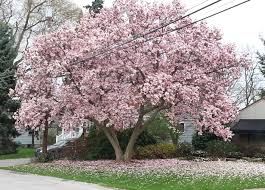
The magnolia tree stands as one of nature’s most magnificent creations—an ancient flowering marvel that graces our modern landscapes with timeless elegance and prehistoric charm. With over 200 species that range from compact shrubs to towering 80-foot giants, these botanical survivors have flourished for millions of years, outlasting dinosaurs and adapting to changing climates . From the fragrant, dinner-plate blooms of the Southern magnolia to the delicate star-shaped flowers that brave late winter frosts, magnolias offer breathtaking beauty across diverse regions. This living fossil not only captivates with its spectacular spring display but also carries deep cultural significance, medicinal value, and ecological importance that has endured for centuries. Whether planted as a stately Southern specimen or a compact ornamental accent, the magnolia tree rewards generations of gardeners with its resilient nature and unparalleled floral drama .
The Ancient Lineage and Evolutionary Story of Magnolias
Magnolias represent one of the most ancient lineages of flowering plants on Earth, with a history that stretches back to the age of dinosaurs. Fossil evidence reveals that magnolia-like plants existed over 100 million years ago, during the Cretaceous period when flowering plants first emerged and diversified . Remarkably, some magnolia fossils discovered date back approximately 20 million years, while plants identifiable as belonging to the Magnoliaceae family date to an astonishing 95 million years ago . This extraordinary longevity makes magnolias living windows into Earth’s distant botanical past, offering scientists invaluable insights into the early evolution of flowering plants.
The primitive characteristics of magnolia flowers tell the story of their ancient origins. Unlike more recently evolved flowers with distinct petals and sepals, magnolias feature “tepals”—a fusion of petal and sepal structures that are nearly identical in appearance . This undifferentiated floral structure represents an ancestral trait shared with other ancient flowering plants like water lilies . Another fascinating adaptation is their pollination strategy: magnolias evolved before bees existed, so they developed a reliance on beetles for pollination . Their flowers produce large quantities of nutritious pollen instead of nectar to attract these early pollinators, and their sturdy carpels withstand damage from hungry beetles—a testament to their co-evolution with some of Earth’s earliest insect pollinators .
Botanical Characteristics and Diversity of Magnolia Species
The magnolia genus encompasses remarkable diversity in size, form, and habit. These plants range from compact shrubs reaching just 15 feet to towering trees that soar to 80 feet or more, with canopies spreading 30 to 50 feet wide . Magnolias display two primary growth patterns: evergreen varieties that retain their glossy leaves year-round, and deciduous types that shed their foliage each autumn . The leaves themselves are typically dark green, oval-shaped, and leathery with a waxy coating, often measuring 5 to 8 inches long or more depending on the species .magnolia tree
Magnolia flowers represent the genus’ most spectacular feature, ranging in size from 3 inches to an impressive 12 inches in diameter . Their color palette spans pristine white, soft pink, vibrant purple, sunny yellow, and even greenish hues . Each blossom contains both male and female reproductive organs, making them “perfect” flowers capable of self-pollination . Following the magnificent blooms come equally striking fruits: cone-like structures that burst open in autumn to reveal bright red seeds suspended on thin filaments, creating visual drama that persists long after the flowers have faded .
https://headlinenest.com/king-charles-portrait/
Table: Popular Magnolia Species and Their Characteristics
| Species Name | Common Name | Type | Mature Size | Flower Characteristics | USDA Hardiness Zones |
|---|---|---|---|---|---|
| Magnolia grandiflora | Southern Magnolia | Evergreen | 60-80 ft tall, 30-40 ft spread | Large white flowers, up to 12″ diameter, highly fragrant | 7-9 |
| Magnolia stellata | Star Magnolia | Deciduous | 15-20 ft tall and wide | White or pink star-shaped flowers with 12-40 tepals | 4-8 |
| Magnolia × soulangeana | Saucer Magnolia | Deciduous | 20-30 ft tall, similar spread | Tulip-shaped flowers, white to pink to purple, 3-12″ diameter | 4-9 |
| Magnolia virginiana | Sweetbay Magnolia | Semi-evergreen to deciduous | 10-35 ft tall | Creamy white, lemon-scented flowers, 2-3″ diameter | 5-10 |
| Magnolia acuminata | Cucumber Tree | Deciduous | 60-80 ft tall | Greenish-yellow flowers, cucumber-shaped fruit when young | 3-8 |
Cultural Significance and Symbolism Across Civilizations
Beyond their botanical splendor, magnolia tree carry profound cultural significance across different societies and historical periods. In the United States, the magnolia serves as the official state flower for both Louisiana and Mississippi, cementing its status as an emblem of Southern identity and grace . The tree’s association with the American South is further strengthened by historical connections, such as the two southern magnolias planted on White House grounds between 1829 and 1837 by President Andrew Jackson in memory of his wife Rachel—trees that stand today as the oldest on the presidential property .
In Eastern traditions, magnolias have been revered for centuries. Traditional Chinese and Japanese medicine has utilized magnolia bark for approximately 1,000 years to treat conditions ranging from anxiety and depression to asthma and headaches . The tree also holds significance in Korean culture, while various Native American tribes employed magnolia preparations to address malaria, skin ailments, and kidney problems . This cross-cultural medicinal use speaks to the tree’s perceived potency and value beyond mere ornamentation.
Symbolically, magnolias universally represent endurance, nobility, and dignity—qualities undoubtedly inspired by their ancient lineage and resilient nature . The magnolia tree specifically embodies a balance between strength and gentleness, making it a popular choice for wedding bouquets where it symbolizes everlasting connections . In some traditions, the tree’s evergreen leaves and fragrant blossoms serve as reminders of eternal life and spiritual renewal . As one writer beautifully expressed the tree’s significance:
“From its ancient origins to its modern-day symbolism, the magnolia stands as an emblem of Southern grace and beauty, now loved the world over.”
Selecting the Perfect Magnolia for Your Landscape
Choosing the right magnolia begins with understanding your climate and garden conditions. With species adapted to USDA Hardiness Zones ranging from 4 to 10, there’s likely a magnolia suited to nearly every region . Cold-climate gardeners might consider the exceptionally hardy Star Magnolia (Magnolia stellata), which thrives in zones 4-8 and blooms reliably even after harsh winters . Those in warmer temperate regions (zones 7-9) can enjoy the classic Southern Magnolia (Magnolia grandiflora) with its massive fragrant blooms and glossy evergreen foliage . Tropical and subtropical gardeners (zones 10-12) might explore the Champaca magnolia tree, celebrated for its intensely fragrant flowers used in perfumery .
Site selection significantly impacts a magnolia’s long-term health and flowering performance. Most magnolias prefer locations receiving full sun to light shade—at least six hours of direct sunlight daily for optimal blooming . In particularly hot climates, afternoon shade can protect the tree from scorching . Since magnolias develop expansive, shallow root systems and wide canopies, they require ample space away from structures, sidewalks, and underground utilities . Wind protection is also crucial, as strong gusts can damage their large flowers and relatively brittle branches .
Soil requirements represent another critical consideration. Magnolias generally thrive in moist, well-drained, slightly acidic soils (pH 5.5-6.5), though they adapt reasonably well to neutral or slightly alkaline conditions . They perform respectably in clay, loam, or sandy soils but struggle in persistently wet, poorly drained locations . When selecting a specimen at the nursery, look for healthy plants with evenly spaced branches, unblemished leaves, and white (not brown or black) roots if examining the root ball . Avoid specimens with crossing branches, trunk wounds, or severely circling roots that indicate being rootbound .
Comprehensive Planting Guide and Establishment Care
Successful magnolia planting begins with proper timing. Deciduous varieties (those losing leaves in autumn) establish best when planted during dormancy—typically late fall or winter in warmer climates, or early spring in colder regions . Evergreen magnolias generally prefer early spring planting . Regardless of type, avoid planting during summer’s peak heat, which stresses young trees excessively . The planting process itself requires careful attention: dig a hole at least 1.5 times wider than the root ball but slightly less deep, ensuring the uppermost roots sit level with or slightly above the surrounding soil surface . For container-grown plants, make four vertical slices through the root ball to discourage circling roots and encourage outward growth .magnolia tree
Post-planting care during the first year proves crucial for long-term success. Newly planted magnolias benefit from consistent moisture—watering two to three times weekly in warm climates or two times weekly in cooler areas for the initial three to six months . A generous layer of mulch (2-3 inches thick) around the root zone conserves moisture, regulates soil temperature, and suppresses weeds . Avoid piling mulch against the trunk, which can promote rot and pest issues. Fertilizer generally isn’t necessary at planting time, and some experts recommend waiting until the tree shows signs of active growth before applying any supplemental nutrition .
Ongoing maintenance ensures your magnolia remains healthy and vibrant. Once established, most magnolias display moderate drought tolerance but perform best with consistent moisture, especially during flowering and active growth periods . Pruning requirements vary by type: deciduous magnolias should be pruned immediately after flowering to avoid removing next year’s flower buds, while evergreen varieties tolerate pruning in spring, summer, or late fall . Always use clean, sharp tools and focus on removing dead, damaged, or crossing branches rather than giving the tree an overall shape, as magnolias naturally develop attractive forms with minimal intervention .magnolia tree
Troubleshooting Common Magnolia Problems and Solutions
Even these generally resilient trees occasionally face challenges. Discolored foliage often signals fungal or bacterial issues. Leaf spot diseases (like Phyllosticta) appear as small black or purple spots that may develop white centers, while more serious Verticillium wilt causes yellowing leaves and branch dieback . For fungal leaf spots, copper-based fungicides and careful pruning of affected foliage usually control the problem . Unfortunately, Verticillium wilt has no cure, though mature trees sometimes outgrow it over several years with proper care; severely affected young trees rarely survive .
Insect pests present another category of challenges. Aphids, scales, and thrips may cause leaves to shrivel and curl as they suck plant sap . The magnolia scale—a particularly troublesome pest—appears as tan-brown bumps up to half an inch across on branches, secreting sticky honeydew that fosters black sooty mold . For light infestations, natural predators often provide sufficient control; severe cases may require horticultural oil applications or insecticidal soaps . Always inspect nursery plants carefully before purchase, as many scale infestations begin with already-affected specimens .
Environmental stressors frequently manifest in magnolia health issues. Yellow leaves with brown edges typically indicate weather-related stress—either drought conditions or cold, drying winds that cause leaf scorch . Prevention through proper watering during dry spells and wind protection for young trees offers the best defense. Failure to flower often relates to insufficient sunlight (less than six hours daily) or improper soil pH that limits nutrient availability . A simple soil test can determine if pH adjustment is needed, achieved through organic amendments like pine mulch or compost to increase acidity .magnolia tree
Medicinal Uses and Modern Health Applications
The magnolia tree’s therapeutic applications span centuries and continents. Traditional Chinese and Japanese (Kampo) medicine has long utilized magnolia bark in formulations like Hange-koboku-to and Saiboku-to to reduce anxiety, ease nervous tension, and improve sleep . Native American healers employed magnolia preparations as antimalarial agents and treatments for skin and kidney ailments . Modern scientific investigation has identified two primary bioactive compounds responsible for many of these effects: magnolol and honokiol, found predominantly in the bark of species like Magnolia officinalis .
Contemporary research explores magnolia’s potential for addressing numerous health concerns. Laboratory and animal studies suggest these compounds may offer anti-inflammatory, antioxidant, and neuroprotective benefits . Specific areas of investigation include magnolia’s possible role in reducing anxiety (with one study noting decreased anxiety in menopausal women), improving digestive function, protecting cardiovascular health, and even exhibiting anti-cancer properties in preliminary studies . It’s important to note that while these early findings are promising, more extensive human clinical trials are needed to establish definitive therapeutic applications and proper dosing protocols.
Safety considerations are crucial when exploring magnolia’s medicinal uses. Pregnant women should avoid magnolia preparations entirely due to reports that they may stimulate uterine contractions . Those taking sedatives, anti-anxiety medications, or blood thinners should exercise caution and consult healthcare providers, as magnolia may enhance these drugs’ effects . Surgery patients are advised to discontinue magnolia use at least two weeks before procedures due to potential effects on the central nervous system and blood clotting . As with any supplement, quality and concentration vary significantly between products, emphasizing the need for reputable sources and professional guidance .
Landscape Design Ideas and Companion Planting Strategies
Incorporating a magnolia tree into your landscape requires consideration of its mature size and seasonal interests. As a magnificent specimen tree, a Southern magnolia makes a dramatic focal point when positioned where it can be admired from indoor and outdoor living spaces . Smaller varieties like Star or Sweetbay magnolias work beautifully in mixed borders, alongside pathways, or near seating areas where their fragrant blooms can be appreciated at close range . For narrow spaces, consider columnar cultivars or use espalier techniques to train magnolias against walls or fences—a method particularly effective with some evergreen varieties .
Companion planting enhances your magnolia’s beauty while creating a cohesive garden ecosystem. Underplant with shade-tolerant species that complement the tree’s seasonal displays: early spring bulbs like daffodils and crocuses that bloom before the tree fully leafs out; summer-flowering perennials like hostas, hellebores, and astilbes that thrive in dappled shade; or evergreen groundcovers that provide year-round interest . Consider textural contrasts—the magnolia’s large glossy leaves pair beautifully with finer-textured plants like ferns or ornamental grasses. For color coordination, select companions in harmonious palettes: white-flowering plants echo classic magnolia blooms, while blue or purple flowers create striking contrasts against pink or white magnolia blossoms.
Ecological considerations further inform smart design choices. Magnolias support local wildlife by providing nesting sites for birds, pollen for early-season pollinators, and seeds consumed by songbirds and small mammals . Enhance these benefits by incorporating additional native plants that offer sequential blooms and food sources throughout the seasons. Remember that magnolias have extensive surface roots that compete with nearby plants for moisture and nutrients, so select companions with modest water needs or establish them at the edge of the canopy rather than directly beneath the tree. A well-designed magnolia planting not only provides breathtaking beauty but also contributes to local biodiversity and ecological health.
Long-Term Care and Ensuring Your Magnolia Thrives for Generations
Magnolias are notably long-lived trees, with many specimens surviving a century or more when provided with proper care . This longevity makes them legacy plants worthy of thoughtful, sustained attention. As your tree matures, its needs will evolve: established magnolias generally require less frequent watering but benefit from deep irrigation during extended droughts . Fertilization needs are typically modest; if growth seems sluggish (less than 1-2 feet per year for most varieties), apply a balanced, slow-release fertilizer in early spring, avoiding high-nitrogen formulations that promote excessive leafy growth at the expense of flowers .
Pruning mature magnolias requires restraint and proper technique. These trees naturally develop graceful forms with minimal intervention. Focus on removing dead, diseased, or damaged wood, along with any crossing or rubbing branches that could create entry points for pests and pathogens . For deciduous types, always prune immediately after flowering to avoid sacrificing next year’s blooms . Evergreen magnolias offer more flexibility but respond best to light shaping rather than drastic reduction cuts . Remember that magnolias heal slowly from large wounds, so make clean cuts with sharp tools and avoid removing branches larger than 2-3 inches in diameter unless absolutely necessary.
Seasonal protection measures help magnolias thrive in challenging climates. In northern regions, young trees benefit from burlap windbreaks or anti-desiccant sprays to prevent winter burn on evergreen foliage . In areas with late spring frosts, site selection becomes crucial—planting magnolias on north-facing slopes or near structures that delay spring warming can protect early blooms from frost damage . Southern gardeners should ensure adequate moisture during summer heat waves and watch for signs of stress like leaf scorch. Regardless of location, maintaining 2-3 inches of organic mulch over the root zone (replenished annually) provides insulation, moisture retention, and gradual nutrient release—simple practices that yield significant long-term benefits for your magnolia’s health and longevity.
Conclusion
The magnolia tree stands as a living testament to nature’s endurance and beauty—a prehistoric survivor that continues to captivate us with its majestic presence, spectacular blooms, and rich symbolism. From its ancient lineage dating back over 100 million years to its modern roles in landscapes, medicine, and culture, this remarkable genus offers something for every gardener and nature enthusiast. Whether you choose a statuesque Southern magnolia as a lifetime companion in your garden or a delicate star magnolia to brighten a modest space, these trees reward careful selection and thoughtful care with generations of beauty. Their resilience through changing climates and conditions serves as inspiration, reminding us of nature’s incredible capacity for adaptation and grace. As you incorporate a magnolia into your landscape or simply pause to appreciate one in bloom, remember that you’re connecting with a living piece of botanical history—one that has witnessed the unfolding of our world and continues to flourish with quiet dignity and spectacular beauty.
Frequently Asked Questions About Magnolia Trees
How long does it take for a magnolia tree to bloom after planting?
The time until first flowering varies significantly by species and whether you’ve planted a young specimen or a more mature tree. Some fast-maturing varieties like Star Magnolia may bloom within 2-3 years of planting, while larger species like Southern Magnolia can take 10 years or more to produce their first spectacular flowers . Grafted cultivars typically bloom sooner than seed-grown trees. Patience is essential—if your magnolia isn’t blooming, ensure it receives adequate sunlight (at least 6 hours daily) and that soil pH is slightly acidic (5.5-6.5) for optimal nutrient uptake .
Are magnolia roots invasive to foundations and sidewalks?
Magnolias develop widespread, fibrous root systems that are primarily shallow rather than deeply penetrating. While not typically as aggressive as some tree species, their expansive roots can potentially interfere with nearby structures if planted too close . To prevent problems, plant magnolias at least 15-20 feet from buildings, sidewalks, and driveways—more for larger species. The roots generally seek moisture and nutrients rather than actively seeking to damage structures, so maintaining consistent soil moisture away from foundations can help direct root growth appropriately.
Can magnolia trees be grown in containers?
Yes, several smaller magnolia varieties adapt well to container cultivation, particularly deciduous types like Star Magnolia (Magnolia stellata) and some compact hybrids . Choose a large container with excellent drainage (at least 20-24 inches in diameter for a young tree), use high-quality potting mix, and water more frequently than in-ground trees since containers dry out faster. Container-grown magnolias will require eventual repotting or root pruning if kept long-term, and they may need extra winter protection in cold climates since their roots are more exposed to temperature fluctuations.
Why are the leaves on my magnolia tree turning yellow?
Yellowing leaves (chlorosis) on magnolias typically indicate one of several issues: nutrient deficiencies (often iron or nitrogen), improper soil pH limiting nutrient availability, overwatering or poor drainage, or in some cases, more serious problems like Verticillium wilt . Start by checking soil moisture—magnolias prefer consistently moist but well-drained conditions. If drainage is adequate, test soil pH; magnolias prefer slightly acidic soil (5.5-6.5), and alkaline conditions can lock up essential nutrients . If younger leaves show yellowing with green veins, iron deficiency is likely and can be addressed with appropriate soil amendments.
How can I encourage more flowers on my magnolia tree?
Maximizing magnolia blooms involves several key practices: First, ensure adequate sunlight—at least 6 hours of direct sun daily for most varieties . Second, avoid high-nitrogen fertilizers that promote leafy growth at the expense of flowers; instead, use a balanced, slow-release fertilizer or one formulated for flowering trees and shrubs . Third, practice proper pruning—deciduous magnolias bloom on old wood, so prune immediately after flowering to avoid removing next season’s buds . Finally, maintain consistent moisture during bud formation and address any pest or disease issues promptly, as stressed trees often reduce flowering.