From meandering pathways to tranquil water features, garden stones offer a remarkable blend of natural beauty and enduring function for your outdoor space. These timeless elements are far more than simple decorations; they are the very bones of a landscape, providing structure, texture, and a profound connection to the earth. Whether you’re a seasoned gardener looking to refine your design or a homeowner embarking on your first major outdoor project, understanding the art of using garden stones can transform your yard from a simple plot of grass into a cohesive, captivating retreat. This guide will walk you through the creative possibilities, practical considerations, and expert insights needed to successfully integrate stones into your landscape, creating a space that is both stunningly beautiful and effortlessly manageable.
The history of using stone in crafted spaces is as old as human civilization itself. For thousands of years, from ancient protective structures to the temples of Greece and Rome, natural stone has been a foundational material, prized for its permanence and character. This legacy continues in modern gardens, where stone serves as a bridge between our built environments and the natural world. Today, garden stones are celebrated for their incredible versatility and low-maintenance appeal. They are the unsung heroes of landscape design, solving practical problems like erosion and weed control while simultaneously elevating aesthetic appeal. By choosing the right stones and placing them with intention, you can direct foot traffic, define separate “rooms” in your garden, create focal points, and establish a sense of harmony that feels both designed and organically grown.
The Creative Canvas: Inspiring Ways to Use Garden Stones
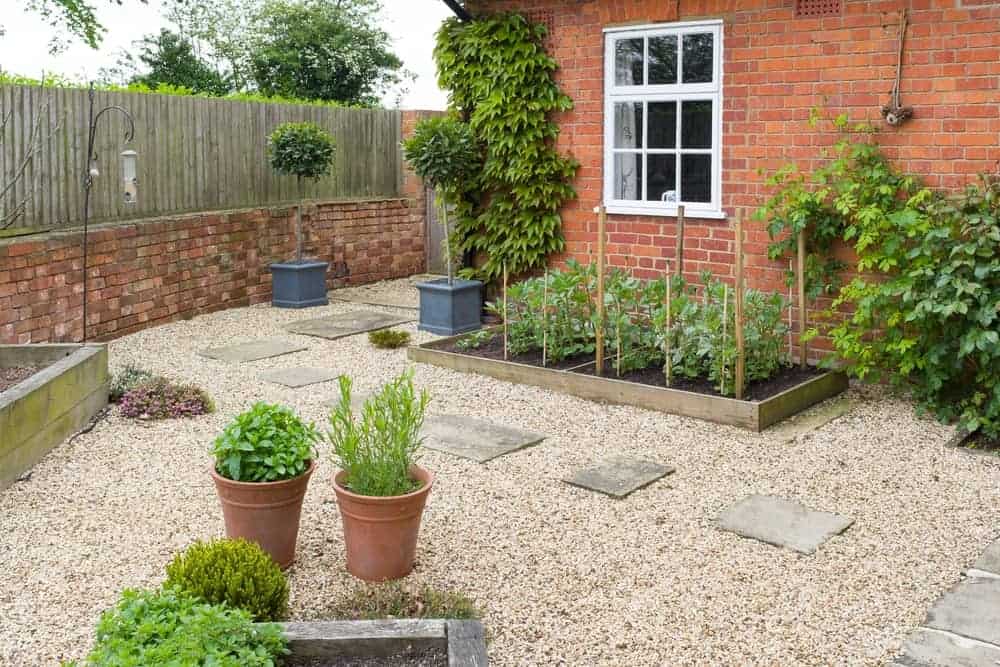
The true magic of garden stones lies in their limitless applications. They can be the main attraction or a subtle supporting player, adapting to nearly any style from minimalist modern to lush, cottage-core charm. One of the most popular and impactful uses is in the creation of pathways and walkways. A simple gravel or crushed stone path instantly adds structure and invites exploration, guiding visitors through your garden with purpose. For a more formal look, flagstones or slate pavers create elegant, durable surfaces for patios and primary walkways. These materials allow for creative patterning—think herringbone, running bond, or random placements—and their independence from one another makes them less susceptible to the cracking that plagues poured concrete. The spaces between pavers also offer opportunities for planting creeping thyme or moss, softening the hardscape and adding life.
Beyond walkways, garden stones are transformative in flower beds and borders. Used as a mulch alternative, stone mulch provides exceptional weed suppression, retains soil moisture, and offers a clean, polished look that won’t decompose like organic bark. This is especially beneficial in xeriscape or drought-tolerant gardens, where reducing water usage is key. A layer of crushed granite or smooth river rock around native plants and succulents not only conserves water but also provides a striking textural contrast that highlights the flora. For edging, a line of larger cobbles or vertically set stones creates a crisp, natural barrier that keeps lawn grass from invading beds and adds definition to the entire landscape.
For those with slopes, poor soil, or a desire for dramatic texture, building a rock garden is a superb solution. This involves artistically arranging stones of various sizes—from large anchor boulders to mid-sized accent rocks—and pairing them with alpine plants, sedums, and ornamental grasses. A well-designed rock garden mimics the serene, rugged beauty of a mountain slope and requires very little upkeep once established. It’s a perfect project for a sunny, well-drained area where other plants might struggle. Another inspired idea is to construct a dry creek bed using river rocks and gravel. This feature solves drainage issues by directing rainwater runoff while creating the beautiful illusion of a meandering stream, adding movement and sound to the garden even when dry.
Table: Popular Garden Stone Uses and Material Pairings
| Garden Application | Ideal Stone Types | Key Benefits | Best Paired With |
|---|---|---|---|
| Pathways & Patios | Flagstone, Bluestone, Crushed Granite, Cobblestone | Durability, defined traffic flow, excellent drainage | Groundcover plants (thyme, sedum), landscape lighting |
| Rock Gardens & Dry Beds | Sandstone Boulders, River Rock, Lava Rock, Fieldstone | Erosion control, visual drama, low water needs | Drought-tolerant plants (succulents, ornamental grasses) |
| Mulching & Borders | Pea Gravel, River Rock, Polished Pebbles, Crushed Stone | Weed suppression, moisture retention, clean aesthetic | Shrubs, perennials, native plantings |
| Accent Features | Smooth Beach Pebbles, Moss Rock, Specialty Boulders (e.g., Granite) | Creates focal points, adds texture and color | Water features, specimen trees, outdoor sculpture |
Finally, don’t overlook the power of accent features. A single, striking boulder can serve as a magnificent focal point in a front yard, immediately boosting curb appeal. Smooth, dark pebbles like nachi-ishi (a prized black slate from Japan) are traditionally used to surround stone basins in tea gardens, their surfaces glistening beautifully when wet. You can use similar principles to frame a modern fountain, fill the base of a fire pit, or create a minimalist meditation circle. These thoughtful touches are what give a garden its unique personality and sense of place.
https://headlinenest.com/winter-storm-watch/
From Quarry to Garden: A Guide to Stone Types and Selection
Choosing the right garden stones can feel overwhelming given the vast array of colors, textures, and geological types available. Your selection will be guided by both aesthetics and practical considerations like climate, foot traffic, and budget. Understanding the basic categories is the first step. Broadly, stones used in landscaping fall into three geological groups: igneous (formed from cooled magma, like granite), sedimentary (like limestone, formed from compressed sediment), and metamorphic (like slate, transformed by heat and pressure). Each has distinct properties that affect its durability and appearance in your garden.
For most homeowners, it’s more useful to think in terms of common landscape product types. Flagstone is a classic choice for patios and walkways. This flat, tile-like stone, often sandstone or bluestone, is laid over a base of sand or concrete and prized for its natural, irregular shapes. River rocks are smooth, rounded stones harvested from riverbeds, perfect for dry creek beds, mulching, and filling spaces due to their range of sizes and earthy tones. Polished pebbles or crushed stone offer a finer texture, ideal for modern designs, xeriscaping, and creating contrast around plants. At the larger end of the spectrum, boulders (often granite, quartzite, or marble) are used as dramatic accent pieces or to create terraces and retaining walls on slopes.
The Japanese gardening tradition offers a masterclass in the thoughtful selection of stone, considering not just form but also origin and spirit. They categorize stones meticulously, such as ao-ishi (blue stones), which are metamorphic rocks like chlorite schist known for their striking strata lines and used for bridges and paving. A famed variety is iyo-ishi, a blue stone from Shikoku island prized for its distinctive color and bold striations, making it perfect for dry landscape compositions. Another is kurama-ishi, a granite that acidifies to a coveted rusted brown hue, beloved by tea masters for stepping stones. While you may not have access to these specific stones, the philosophy is universal: choose stones whose character—rugged, smooth, angular, weathered—fits the scene you wish to create.
The great landscape architect Isao Yoshikawa observed of granite, a common garden stone, that its “shapes are usually suitable [only] for level or low base stones and are not perfect for three dimensional arrangements”. This highlights a crucial design principle: different stones have inherent qualities that make them better for specific roles. Angular andesite, for instance, holds vertical forms well, while rounded river rock suggests movement and fluidity.
When choosing, always ask practical questions. What is the stone’s porosity? A porous limestone in a leafy area may stain and require sealing, while dense granite is more stain-resistant. What finish is available? A flamed or brushed finish provides more slip resistance for wet patios than a polished one. Will the sample match the delivery? Natural stone has variation; request multiple samples to understand the color range you’ll receive. Finally, consider your home’s exterior. Acquire stone samples and view them clean, dry, and wet against your house to ensure the colors and styles complement, not clash. This due diligence ensures the beautiful materials you select will perform well and look integrated for years to come.
The Practical Plan: Installation, Budgeting, and Long-Term Care
A successful garden stone project hinges on thoughtful planning and preparation. It begins with a clear vision and an honest assessment of your space. Ask yourself the core questions: Is the primary purpose decorative, functional (like a walkway), or both? What is the overall style I want to achieve? The answers will directly inform your material choices and budget. For example, using local fieldstone for a path is often more economical than importing exotic slate, and DIY-ing a small pebble mosaic is far less costly than hiring a mason to build a flagstone patio.
Budgeting requires looking beyond just the price per ton of stone. You must account for all materials: the stone itself, base materials like compactable gravel or sand, landscape fabric to suppress weeds, and possibly edging restraints. If you’re not doing the work yourself, labor is the most significant cost. The complexity of the project—grading land, installing a proper base, cutting and fitting irregular stones—greatly impacts the final price. Generally, materials like pea gravel and decomposed granite are the most cost-effective, while larger, specialty boulders or thick-cut flagstone will be more of an investment. Remember, while the upfront cost of stone can be higher than organic mulch, its permanence means it’s a one-time purchase, offering substantial long-term savings.
Calculating how much stone you need is critical to avoid costly over- or under-ordering. This involves simple math: Length (ft) x Width (ft) x Depth (ft) = Cubic Feet. Convert cubic feet to cubic yards (divide by 27) as most suppliers sell by the yard. For depth, a pathway base might need 4 inches of compacted gravel, topped with 2 inches of decorative stone. For mulch in a bed, 2-3 inches of stone is typically sufficient. When in doubt, consult with your supplier or a landscaper; their expertise can save you from a major miscalculation. They can also advise on whether your chosen stone is suitable for your region’s freeze-thaw cycles.
Proper installation is the key to longevity. For any pathway or patio, site preparation is 90% of the work. This involves excavating to the proper depth, ensuring a slight slope for drainage, and installing a sturdy, compacted base of crushed rock. Laying a high-quality landscape fabric over the base before adding decorative stone is a non-negotiable step for weed prevention. For stability, especially with loose materials like gravel, installing edging strips of metal, plastic, or stone will keep everything neatly contained. Maintenance is wonderfully minimal but not non-existent. Periodically, you may need to rake gravel to keep it level, rinse stones to remove dust or pollen, and pull the occasional weed that finds its way through. Over many years, you might need to top up areas where stones have settled or migrated. With a proper foundation, your stone landscape will require far less work than a lawn or annual flower bed, aging gracefully and becoming more a part of the garden with each passing season.
Conclusion
Garden stones are far more than mere embellishments; they are the foundational elements that bring structure, balance, and timeless beauty to any outdoor space. From the graceful arc of a flagstone path to the serene simplicity of a raked gravel courtyard, stone has the unique power to blend human artistry with the raw beauty of nature. This guide has journeyed through the creative possibilities—pathways, rock gardens, water features, and accents—and delved into the practical knowledge needed to select, budget for, and install these enduring materials. Whether you choose the rugged, angular character of local fieldstone or the smooth, serene flow of river rock, you are engaging in a practice that connects your garden to a deep historical tradition and to the very geology of the land itself.
The most successful gardens tell a story, and garden stones are the punctuation in that narrative. They create pauses, define chapters, and highlight the most important passages. By investing in quality materials and thoughtful design, you create an outdoor living space that is not only visually captivating but also resilient and easy to enjoy. Your garden becomes a personal sanctuary that evolves with the light and the seasons, yet remains constant in its strength and beauty. So, start with a single stone, a single idea, and let it be the first step in crafting your own enduring landscape masterpiece.
Frequently Asked Questions
How do I choose the right type of garden stone for a high-traffic pathway?
For high-traffic pathways, durability and a stable surface are paramount. Opt for flat, hard stones like flagstone, bluestone, or thick-cut granite pavers. These materials can be laid tightly on a well-compacted sand or concrete base to create a solid, even walking surface that won’t shift or sink easily. Avoid loose, small stones like pea gravel for main walkways, as they don’t provide a firm footing. The key is choosing a stone that is both thick enough to withstand pressure and can be installed in a way that locks it securely in place.
Can I use garden stones as mulch around all my plants?
While stone mulch is excellent for weed suppression and moisture retention, it’s not ideal for all plants. It works wonderfully around drought-tolerant shrubs, trees, perennials, and in rock gardens. However, avoid using it around acid-loving plants like azaleas or blueberries, as some stones can slowly alter soil pH to be more alkaline. Also, stone absorbs and radiates heat, which can stress delicate or shallow-rooted plants. For most flowering annuals and vegetables, organic mulch that enriches the soil as it decomposes is a better choice.
What is the most cost-effective type of garden stone for covering a large area?
For covering large areas on a budget, decomposed granite (DG) and pea gravel are typically the most cost-effective choices. These materials are widely available, inexpensive by the cubic yard, and easy to install DIY. Crushed limestone or basic river rock in smaller sizes (1-2 inches) are also affordable options. Remember, the cost savings come from the material itself and the simpler installation—these stones can often be spread directly over a layer of landscape fabric without the need for intricate setting or cutting.
Do I need to put anything under my garden stones before I lay them down?
Yes, placing a barrier under your garden stones is crucial for long-term success. For almost all applications, you should install a high-quality landscape fabric (weed barrier) over the prepared soil. This prevents weeds from growing up through the stones while still allowing water to drain through. For pathways and patios, a base layer of compacted crushed rock or gravel (typically 4-6 inches deep) is essential beneath the fabric to provide stability, prevent settling, and ensure proper drainage. Skipping these steps leads to weeds, uneven surfaces, and mud mixing with your stone.
How do I keep my light-colored garden stones from looking dirty or stained?
Light-colored stones like white marble chips or beige limestone can show dirt, algae, and stains more readily. The best defense is proper site preparation and drainage to prevent muddy water from splashing onto them. For ongoing maintenance, periodically rinse the stones with a garden hose. For algae or moss growth on stones in shady, damp areas, a solution of water and white vinegar or a proprietary stone cleaner can be used. Sealing lighter-colored stones with a penetrating stone sealer is also highly recommended, as it creates an invisible barrier against stains from leaves, dirt, and organic matter.