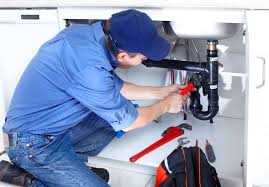
There’s a unique, heart-sinking dread that comes with the sound of unexpected running water when no tap is on. It’s the gush of a burst pipe in the basement, the ominous gurgle of a toilet about to overflow, or the silent, spreading puddle under a sink that was perfectly dry an hour ago. In these moments, the abstract concept of “home maintenance” transforms into an urgent, wet, and potentially devastating reality. This is the domain of emergency plumbing repair, a service you hope you’ll never need but are profoundly grateful for when you do. Unlike scheduled installations or upgrades, an emergency plumbing situation demands immediate, skilled intervention to stop water damage in its tracks, protect your property, and restore safety and sanity to your household.
This guide is your comprehensive resource for navigating these stressful scenarios. We’ll walk you through exactly what constitutes a plumbing emergency, the critical steps to take before help arrives, how to choose a reliable emergency plumber, and what to expect during the repair process. More importantly, we’ll provide expert insights into preventing these crises whenever possible. Because while knowing who to call for an emergency plumbing repair is crucial, understanding your home’s plumbing system is empowering. Let’s dive in and ensure you’re prepared for whatever flows your way.
What Exactly Qualifies as a Plumbing Emergency?
Not every plumbing hiccup requires a midnight phone call and premium service rates. Understanding the difference between a true emergency and a problem that can wait until business hours can save you money and ensure that those in dire need get faster service. A true emergency plumbing repair scenario is any situation that poses an immediate threat to your property, health, or safety if not addressed within hours.
The most obvious emergencies involve uncontrolled, clean water. A burst supply line, a broken water heater tank spewing water, or a severely cracked toilet tank can release hundreds of gallons per hour, leading to catastrophic flooding, structural damage, and mold growth. These demand instant action—your first move should be to shut off the main water valve, then call for professional emergency plumbing repair. Similarly, a complete sewer backup or a blocked toilet that is the only one in the home qualifies as a health hazard. Raw sewage contains harmful bacteria and pathogens; exposure is dangerous and the cleanup is extensive. This isn’t a “wait-and-see” issue.
On the other hand, some problems are urgent but not necessarily emergencies. A slow drain in a bathroom sink, a dripping faucet, or a toilet that runs continuously are concerns that should be scheduled for repair soon, but they don’t typically justify an after-hours call. However, context matters. That dripping faucet in an otherwise empty vacation home for weeks could lead to wasted water and higher bills, while a running toilet might indicate a failing flapper, which is a simple fix. Assessing the scale of potential damage is key. As one veteran plumber puts it, “If water is actively damaging your home or you’re facing a health risk, it’s an emergency. If it’s just an inconvenience or a slow leak you’ve contained, it can usually wait for regular hours.”
Your Step-by-Step Action Plan When Disaster Strikes
When you discover a major leak or backup, panic is a natural first reaction. But taking a few, deliberate steps in the first minutes can dramatically reduce the scope of the damage and make the plumber’s job easier and faster. Your immediate action plan for any emergency plumbing repair scenario should follow a clear sequence: Stop, Assess, Protect, and Call.
First, stop the flow of water. For leaks from fixtures like sinks, toilets, or washing machines, locate the local shut-off valve, usually found on the wall or floor nearby, and turn it clockwise. If you can’t find it, if the leak is from a pipe in a wall or ceiling, or if there’s widespread flooding, you must go to your main water shut-off valve. Every member of your household should know where this is—typically where the main water line enters your home, in the basement, crawlspace, or garage. Turn this valve clockwise to shut off all water to the house. Next, assess the situation safely. Be cautious of electrical hazards; if water is near outlets, appliances, or your electrical panel, avoid contact and consider turning off power at the breaker if it is safe to access.
Then, protect your property. Move rugs, furniture, electronics, and valuables out of the water’s path. Use old towels, mops, or a wet/dry vacuum to soak up standing water. For small leaks from a pipe, you can temporarily apply pipe repair clamps or even use epoxy putty or waterproof tape as a very short-term patch. Finally, call a trusted emergency plumber. Be prepared to describe the problem clearly and accurately. Tell them you’ve shut off the main water supply, describe the symptoms and location, and mention any temporary measures you’ve taken. This information helps them prepare with the right tools and parts, saving precious time.
The Anatomy of Common Plumbing Emergencies
While plumbing systems are complex, most emergency plumbing repair calls fall into a few common categories. Understanding these can help you diagnose the problem quickly and communicate effectively with your plumber.
Burst or Leaking Pipes: This is the classic, often dramatic, emergency. Pipes can burst due to freezing (where expanding ice creates immense pressure), corrosion over time, physical damage, or excessive water pressure. A burst pipe in a wall or ceiling can be insidious, as water damage may be extensive before you even see a drip. Signs include unexplained sounds of running water, damp spots or bulging on walls/ceilings, a sudden drop in water pressure, or a mysteriously high water bill. The emergency plumbing repair for a burst pipe involves locating the breach, cutting out the damaged section, and replacing it with new piping, which may involve soldering, push-fit connectors, or PEX crimping.
Sewer and Drain Backups: A clogged main sewer line is a homeowner’s nightmare. Instead of water and waste leaving your home, it comes back up, usually at the lowest drains like basement floor drains or multiple fixtures simultaneously. Gurgling toilets, slow drainage everywhere, and foul odors are red flags. Causes range from invasive tree roots and a buildup of grease and debris to a collapsed pipe. Emergency plumbing repair for a sewer backup often requires powerful drain snakes or motorized augers, and in severe cases, a camera inspection to diagnose the root cause. This is not a job for a store-bought plunger.
Water Heater Failures: A failing water heater can create two types of emergencies. The first is a leak, often from the tank itself due to corrosion, a faulty pressure relief valve, or loose connections. This can flood an area quickly. The second, more dangerous scenario is a risk of explosion if the temperature and pressure relief (T&P) valve fails, though this is extremely rare with modern units. If you see water pooling around the heater or hear unusual rumbling or popping noises, it’s time for an urgent inspection. An emergency plumbing repair specialist can determine if a repair is possible or if a full replacement is necessary.
Gas Line Leaks: While not a “water” issue, gas line problems are a critical plumbing emergency handled by licensed professionals. If you smell the distinctive rotten egg odor of natural gas, hear a hissing sound near a gas line, or see dying vegetation near a gas pipe outside, evacuate immediately. Do not use phones, light switches, or anything that could create a spark. Call your gas company and a licensed emergency plumber from a safe distance away. This is a life-safety issue requiring immediate, expert emergency plumbing repair.
Choosing the Right Emergency Plumber: Don’t Just Pick the First Name
In a crisis, it’s tempting to grab the phone book or search online and call the first 24/7 ad you see. However, a poor choice can lead to subpar work, inflated bills, and recurring problems. Doing a small amount of pre-vetting before an emergency strikes is one of the smartest things a homeowner can do. Start by asking friends, family, and neighbors for recommendations. A personal referral to someone who provided excellent emergency plumbing repair service is invaluable.
Once you have a few names, check their credentials. Are they licensed, insured, and bonded? This protects you if something goes wrong. Look for established local companies with a physical address, not just a PO box. Check online reviews on multiple platforms (Google, Yelp, BBB) to gauge reputation and customer service. A key question to ask when you call, even in an emergency, is about their pricing structure. Reputable companies will often offer flat-rate pricing for common emergencies or be transparent about their after-hours service call fee, hourly rates, and parts markup. Be wary of anyone who refuses to give a ballpark estimate or demands full payment upfront before any work begins.
A true professional providing emergency plumbing repair will arrive in a marked vehicle, present identification, and communicate clearly. They should explain the problem, discuss your options (including temporary vs. permanent fixes), and provide a detailed invoice that breaks down labor, parts, and any trip fees. As the table below illustrates, the right choice balances speed, skill, and integrity.
| The Right Choice | The Wrong Choice |
|---|---|
| Licensed, Insured, & Bonded | “Handyman” with no credentials |
| Transparent, Upfront Pricing | Vague estimates or pressure to pay cash |
| Strong Local Reputation & Reviews | New, unverifiable online presence only |
| Professional Demeanor & Communication | Rushed, dismissive, or unclear |
| Detailed Invoice & Warranties | No paperwork or guarantees |
What to Expect During the Emergency Repair Visit
When the emergency plumber arrives, they will first want to confirm your diagnosis and assess the full scope of the problem. They will likely check your main shut-off valve to ensure it’s fully closed and then begin their inspection. For leaks, they will locate the source, which may involve cutting a small access hole in drywall. For clogs, they will determine which line is affected and the likely cause.
A critical tool in modern emergency plumbing repair is the drain camera. This is a waterproof camera on a flexible cable that is fed into your pipes. It provides a real-time video feed to a monitor, allowing the plumber to see exactly what’s causing the blockage—be it roots, grease, a broken pipe, or a lost object. This transforms guesswork into precise diagnosis. Similarly, for leak detection behind walls, professionals may use acoustic listening devices or moisture meters to pinpoint the problem without unnecessary demolition.
Once diagnosed, the plumber will explain the issue and present your repair options. This is where you should ask questions. How long will the repair take? Is this a permanent fix or a temporary patch? What is the total cost, including parts and labor? A reputable professional will be patient and clear. The actual repair will depend on the problem: soldering a copper pipe, snaking a drain, replacing a valve, or installing a new section of pipe. After the repair, they should test their work by turning the water back on and checking for leaks, and they will clear any debris from their work area. You should receive a warranty on both parts and labor for the emergency plumbing repair performed.
The Financial Realities: Understanding Costs and Insurance
Let’s address the elephant in the room: emergency plumbing services cost more than a scheduled appointment. You are paying for immediate response, often outside of normal business hours, including nights, weekends, and holidays. A typical emergency plumbing repair call starts with a “dispatch” or “trip” fee, which can range from $100 to $300, just for the plumber to come out. Then, labor is billed at an elevated hourly rate, often $150 to $500 per hour, depending on your location and the time of day. Parts are also marked up.
The total bill can vary wildly based on the complexity of the job. A simple toilet unclogging at 2 PM on a Tuesday might cost a few hundred dollars. Replacing a burst pipe in a crawlspace at midnight on New Year’s Eve could easily run into the thousands. It’s essential to get a detailed estimate or at least a clear price range before authorizing work. Some companies offer flat-rate pricing for common emergencies, which can provide peace of mind.
This is where your homeowner’s insurance policy becomes crucial. Most standard policies cover “sudden and accidental” water damage, like that from a burst pipe. However, they typically do not cover the cost of repairing the pipe itself if it failed due to wear and tear or lack of maintenance. The insurance is for the resulting damage to your floors, walls, and belongings. Always document the damage extensively with photos and videos before any cleanup begins. File a claim promptly and provide your insurer with the plumber’s detailed invoice, which will state the cause of the failure—a key piece of information for claims approval. For emergency plumbing repair related to neglected issues (like a slow leak you ignored), coverage is unlikely.
Prevention is Power: How to Avoid the Next Emergency
The best emergency plumbing repair is the one you never have to make. Proactive maintenance is far cheaper and less stressful than crisis intervention. Implementing a few simple habits and annual checks can fortify your home’s plumbing against most common disasters.
Start with seasonal tasks. Before winter, disconnect and drain outdoor hoses, and insulate pipes in unheated areas like garages, crawlspaces, and attics. Know where your main shut-off valve is and test it yearly to ensure it turns easily. Have your water heater serviced annually to drain sediment and check the anode rod and pressure relief valve. For your drains, be mindful of what goes down. Avoid pouring fats, oils, and grease (FOG) down the kitchen sink. Use hair catchers in shower drains, and don’t flush anything besides toilet paper. Consider having your main sewer line inspected with a camera every few years, especially if you have mature trees near your line, to catch root intrusion early.
Invest in water leak detection devices. Simple, inexpensive alarms can be placed under sinks, near water heaters, and in basements. They sound an alarm when they sense moisture. For more advanced protection, whole-home automatic shut-off systems can be installed on your main water line. These systems, often paired with smart home hubs, monitor water flow for anomalies (like a constant flow when all taps are off) and can shut the water off automatically, potentially stopping a catastrophic leak before it even begins. This proactive technology is the ultimate form of emergency plumbing repair prevention.
DIY vs. Professional: Knowing Your Limits
The rise of online tutorial videos has empowered many homeowners to tackle basic plumbing tasks, which is fantastic for saving money on minor issues. Replacing a washer in a faucet, installing a new showerhead, or even swapping out a toilet fill valve are reasonable DIY projects with the right tools and care. For a slow drain, a plunger or a hand-crank drain snake can often do the trick. These small fixes can prevent small problems from becoming big ones.
However, when faced with a true emergency, it’s vital to know your limits. Attempting a complex emergency plumbing repair without the proper knowledge, tools, or permits can turn a manageable problem into a disaster. Soldering pipes requires skill to prevent leaks and fire risk. Sewer line work involves heavy equipment and health hazards. Gas line work is illegal for unlicensed individuals in most areas and is incredibly dangerous. A botched DIY fix can also void manufacturer warranties on fixtures and appliances and may not be covered by your insurance if it causes further damage. The rule of thumb is simple: if the problem involves the main water supply, the sewer line, gas lines, or requires opening walls, it’s time to call a professional. The cost of a qualified emergency plumbing repair is an investment in a correct, safe, and guaranteed solution.
The Future of Emergency Response: Technology and Innovation
The field of plumbing, often seen as traditional, is undergoing a quiet tech revolution that is changing the nature of emergency plumbing repair. Smart home technology is at the forefront. We’ve already mentioned smart leak detectors and automatic shut-off valves, but the integration goes deeper. These systems can now send instant alerts to your smartphone at the first sign of a leak, allowing you to act remotely, even calling a plumber before you get home.
On the repair side, trenchless technology is a game-changer for sewer line repairs. Instead of digging a massive, destructive trench across your yard to replace a pipe, plumbers can now use pipe lining (inserting a resin-saturated tube that hardens in place) or pipe bursting (pulling a new pipe through while fracturing the old one). These methods are faster, less invasive, and often cheaper in the long run when landscape restoration is factored in. Even diagnostic tools are advancing, with camera systems offering higher resolution and sonar-like equipment for precise leak detection. The goal is to make emergency plumbing repair quicker, less disruptive, and more precise than ever before.
Conclusion
An emergency plumbing repair scenario tests a homeowner’s composure, knowledge, and preparedness. While the sudden failure of a pipe, drain, or appliance is never welcome, approaching it with a clear plan transforms panic into purposeful action. Remember the core principles: stop the water, protect your property, and call a trusted professional. Investing time now to locate your main shut-off valve, research local plumbers, and implement preventive maintenance can save you thousands of dollars and immeasurable stress down the line. Your home’s plumbing is a vital system, and like any system, it requires respect and care. By understanding the common causes of emergencies, the repair process, and the importance of professional expertise, you empower yourself to navigate any watery crisis with confidence, ensuring your home remains the safe, dry sanctuary it’s meant to be.
Frequently Asked Questions (FAQ)
What should I do if I have a plumbing emergency in the middle of the night?
First, immediately shut off the main water supply to your home to prevent further flooding and damage. This is the single most important step. Then, contain the water as best you can with towels or a mop. Once the immediate flow is stopped, you can call for an emergency plumbing repair service. Reputable companies offer 24/7 response. It’s wise to have the contact information for a trusted plumber saved in your phone ahead of time so you’re not searching in a panic.
How can I tell if a leak is serious enough to require emergency plumbing repair?
Any leak that you cannot control by turning off a local fixture valve, that is causing active water damage to ceilings, walls, or floors, or that is coming from a pressurized supply line (as opposed to a slow drain pipe drip) should be treated as an emergency. If you have to turn off your main water supply to stop it, it definitively requires an emergency plumbing repair. Small, contained drips under a sink that you can catch in a bucket can usually wait for a scheduled appointment.
Are emergency plumbers more expensive than regular plumbers?
Yes, typically. Emergency plumbing repair services include premium rates for after-hours, weekend, or holiday response. You pay for immediate availability. There is usually a higher service call fee and a higher hourly labor rate. However, the cost of not making the call—extensive water damage, mold remediation, and ruined belongings—is almost always far greater than the plumber’s bill. Transparent companies will explain their pricing structure when you call.
Will my homeowner’s insurance cover the cost of an emergency plumbing repair?
This depends on the cause. Most policies will cover the cost to repair the resulting water damage to your home from a “sudden and accidental” event, like a burst pipe. However, the cost to fix the pipe itself is often not covered if the failure was due to wear and tear, age, or lack of maintenance. You should always file a claim and provide the detailed invoice from your emergency plumbing repair, as the plumber’s diagnosis of the cause is critical for the insurance adjuster.
What are the most common causes of plumbing emergencies that I can prevent?
Many emergencies are preventable. In winter, frozen pipes that burst can be avoided by insulating pipes and keeping interior heat on. Clogs leading to sewer backups can be minimized by never pouring grease down drains and avoiding flushing non-flushable items. Water heater failures can often be foreseen with annual maintenance to check the anode rod and pressure relief valve. Regular inspections and mindful habits are your best defense against needing an emergency plumbing repair.