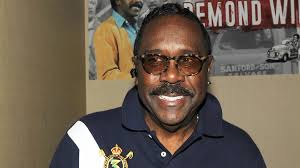
Demond Wilson, born Grady Demond Wilson, carved an indelible mark on American television as Lamont Sanford, the patient son to Redd Foxx’s irascible Fred Sanford on the groundbreaking 1970s sitcom “Sanford and Son.” His journey, however, stretched far beyond the walls of that iconic Watts junkyard. Wilson’s life was a profound narrative of resilience, faith, and transformation—from a child performer in Harlem to a decorated Vietnam veteran, from a television trailblazer to an ordained minister dedicating his life to helping others. His career, which spanned over five decades, was not just about making audiences laugh; it was about breaking cultural barriers and, ultimately, fulfilling a spiritual calling that he felt from his youth. The story of Demond Wilson is one of a man who played a pivotal role in television history and then devoted his later years to a quiet, purposeful ministry, leaving a legacy defined by both groundbreaking art and profound humanity.
The Formative Years: From Harlem’s Stages to Vietnam’s Battlefields
Demond Wilson’s path to stardom was unconventional and forged through early hardship. Born on October 13, 1946, in Valdosta, Georgia, he was raised in the vibrant cultural heart of New York City’s Harlem. The performing arts were in his blood from an extraordinarily young age. He made his Broadway debut at just four years old and was dancing on the legendary stage of the Apollo Theater by the age of twelve. This early immersion in performance instilled in him a discipline and presence that would later become his trademark on screen.
A brush with mortality at age thirteen, when his appendix ruptured, became a pivotal spiritual moment. During his recovery, the young Wilson made a solemn vow to serve God in some ministerial capacity as an adult. This promise would lay dormant for years but never faded. His life took another dramatic turn when he was drafted into the United States Army. From 1966 to 1968, Wilson served with the 4th Infantry Division in Vietnam, where he was wounded in combat and awarded the Purple Heart. This experience as a decorated veteran profoundly shaped his worldview, giving him a maturity and gravity that he carried into his later acting roles and his ministry.
Upon returning stateside, Wilson channeled his experiences into art. He returned to the stage, performing in Broadway and off-Broadway productions before making the leap to Hollywood in the late 1960s. He landed guest spots on popular series like Mission: Impossible and secured film roles, including a part in Sidney Poitier’s The Organization in 1971. These early roles were building blocks, but his big break came from an unexpected guest appearance on the most influential sitcom of the era. His performance as a robber on an episode of All in the Family caught the eye of producer Norman Lear’s team, who were then casting a new, daring project: an American adaptation of the British series Steptoe and Son, centered on a Black father and son in Watts, Los Angeles. They saw in Wilson the perfect foil for the comedic legend they had chosen to play the father.
Becoming Lamont Sanford: Defining a Role and Making Television History
When Demond Wilson was cast as Lamont Sanford, he stepped into a role that would define his career and help change the face of American television. The chemistry between Wilson’s pragmatic, long-suffering Lamont and Redd Foxx’s scheming, melodramatic Fred Sanford was the engine of Sanford and Son. Wilson mastered the art of the “straight man,” his expressive reactions and dry delivery providing the perfect foundation for Foxx’s comedic explosions. Their dynamic, filled with love, frustration, and iconic insults like “you big dummy!”, resonated with millions of viewers who saw reflections of their own familial relationships.
The show was an immediate and colossal hit. It debuted in 1972 and quickly became one of the highest-rated programs on television, consistently ranking in the Nielsen Top 10 and serving as a cornerstone for NBC’s lineup. Its success was revolutionary. At a time when Black families were rarely centered on prime-time TV, Sanford and Son presented a working-class Black household with unparalleled authenticity and humor. Wilson was deeply aware of this impact. In his 2009 memoir, Second Banana, he reflected, “Redd and I were making history back in those days. We were the first Blacks to be on television in that capacity and we opened the door for all those other shows that came after us.” The show paved the way for a wave of successful Black sitcoms in the 1970s and beyond.
Behind the scenes, the journey had its challenges. Foxx’s contract disputes led him to walk off the show temporarily in 1974, thrusting Wilson into the sole starring role for several episodes. The experience was taxing, and while the duo’s professional relationship was complex, Wilson always emphasized the deep, underlying affection they shared. He later expressed hurt that Foxx didn’t personally tell him about his decision to leave the series for good in 1977, but he stated plainly, “I forgave him and I loved Redd… The love was there. You can watch any episode and see that.” When Foxx attempted to revive the show as Sanford in 1980, Wilson chose not to reprise his role, opting to move forward with his own career and projects.
https://headlinenest.com/jack-harlow-height/
Beyond the Junkyard: Career After “Sanford” and the Call to Ministry
Following the end of Sanford and Son in 1977, Demond Wilson pursued other television opportunities, though none reached the stratospheric success of his breakthrough role. He starred in the CBS sitcom Baby… I’m Back! in 1978, playing a man who returns to his family after a long absence. He then took on the role of the slovenly Oscar Madison in The New Odd Couple (1982-83), a Black-cast version of the classic series, opposite Ron Glass as Felix Unger. He also made guest appearances on popular shows like The Love Boat and, much later, had a recurring role on Girlfriends in the mid-2000s.
While he continued to act, a more profound transformation was taking place. The childhood vow he made after his near-fatal illness began to resurface. In 1984, Demond Wilson was ordained as a minister, marking a definitive shift in his life’s focus. He spoke openly about this calling, stating, “I love preaching the Gospel more than anything else I’ve ever done. I’m so happy now. I feel honored to be chosen.” His faith became the central pillar of his life. He founded the Restoration House of America in the mid-1990s, a ministry dedicated to providing spiritual guidance, mentoring, and vocational training to former prison inmates to help them reintegrate into society.
This new chapter also saw him become an author. He wrote several Christian-themed books, including New Age Millennium, which he described as an exposé of New Age symbolism. In 2009, he published Second Banana: The Bittersweet Memoirs of the Sanford & Son Years, offering fans an inside look at his experiences on the iconic show. Wilson’s filmography in this period reflects his faith, as he worked on faith-based projects like the stage play The Measure of a Man and a planned film adaptation of Faith Ties.
Key Roles in the Career of Demond Wilson
The following table highlights the major projects that defined the different phases of Demond Wilson’s multifaceted career.
| Project Name | Years | Role | Significance in Career |
|---|---|---|---|
| Sanford and Son | 1972–1977 | Lamont Sanford | Breakout, defining role. Groundbreaking sitcom that changed TV. |
| Baby… I’m Back! | 1978 | Raymond Ellis | First starring lead role after Sanford and Son. |
| The New Odd Couple | 1982–1983 | Oscar Madison | Lead role in a revamp of a classic series. |
| Ordination & Ministry | 1984 onward | Minister/Founder | Life’s second act. Founded Restoration House of America. |
| Girlfriends | 2004–2005 | Kenneth Miles | Notable later-career acting return to television. |
| Second Banana (Memoir) | 2009 | Author | Published behind-the-scenes account of his TV years. |
Personal Life, Legacy, and Passing
Away from the cameras and the pulpit, Demond Wilson built a stable and enduring family life. He married model Cicely Johnston on May 3, 1974, and their union lasted over half a century until his passing. Together, they raised six children. The family made their home in Palm Springs, California, where Wilson lived out his later years.
Demond Wilson passed away on January 30, 2026, at his home in Palm Springs. He was 79 years old. His son, Demond Wilson Jr., confirmed that his death followed complications from cancer. With his passing, the last surviving core cast member of Sanford and Son was gone, marking the end of an era. Tributes from fans and media outlets poured in, remembering him not only for the laughter he provided but for the dignity and depth he brought to his role and his life.
His legacy is dual-faceted. First, as Lamont Sanford, he helped create one of the most beloved and influential comedies in television history, a show that brought Black life to the forefront of American pop culture with heart and hilarious authenticity. Second, as Minister Demond Wilson, he lived a life of service, honoring a promise made in his youth by dedicating himself to faith and helping those seeking a second chance. He evolved from a performer who delivered timeless comedy to a man who offered spiritual solace, proving that a life in the public eye can transition into one of profound, private purpose.
Conclusion
The story of Demond Wilson is a powerful testament to a life fully and authentically lived across multiple acts. He journeyed from the bright lights of the Apollo Theater to the harsh realities of the Vietnam jungle, and from the soundstages of a television revolution to the quiet purpose of the pulpit. As Lamont Sanford, he was the essential, grounded heart of a cultural phenomenon, his performance forever entwined with the comedic genius of Redd Foxx. Together, they didn’t just tell jokes; they opened doors, challenged norms, and brought a previously unseen segment of American life into living rooms across the nation. Yet, Wilson’s true measure may be found in his courageous pivot from celebrity to service. By embracing his calling as a minister and dedicating himself to restorative work, he fulfilled a childhood vow and demonstrated that the most meaningful roles are often played off-screen. Demond Wilson leaves behind a legacy of groundbreaking art, unwavering faith, and the powerful reminder that it is never too late to answer one’s true calling.
Frequently Asked Questions About Demond Wilson
What was Demond Wilson’s most famous role?
Demond Wilson was best known for his role as Lamont Sanford, the son of Fred Sanford (played by Redd Foxx) on the classic 1970s NBC sitcom Sanford and Son. This role made him a household name and cemented his place in television history as part of one of the first hugely successful Black-led sitcoms.
Did Demond Wilson serve in the military?
Yes, Demond Wilson served in the United States Army from 1966 to 1968. He was a member of the 4th Infantry Division and served in the Vietnam War, where he was wounded in combat. For his service, he was awarded the Purple Heart and returned home as a decorated veteran.
What did Demond Wilson do after Sanford and Son ended?
After Sanford and Son, Demond Wilson starred in other television series like Baby… I’m Back! (1978) and The New Odd Couple (1982-83). However, his life took a significant turn in 1984 when he was ordained as a minister. He focused on evangelical work, authored Christian books, and in 1994 founded the Restoration House of America, a ministry to help rehabilitate former inmates.
Was Demond Wilson married and did he have children?
Demond Wilson was married to model Cicely Johnston. They wed on May 3, 1974, and remained together for over 51 years until his passing. The couple had six children.
What was the cause of Demond Wilson’s death?
Demond Wilson died on January 30, 2026, at his home in Palm Springs, California, at the age of 79. His family confirmed that his death was due to complications from cancer.