The Super Bowl halftime show is more than a musical interlude; it’s a 12-minute snapshot of American pop culture, a coveted stage that crowns global icons. For years, it operated within a specific sonic and linguistic boundary. Then, on February 12, 2023, at State Farm Stadium in Arizona, those boundaries didn’t just blur—they were decisively shattered. When Bad Bunny, born Benito Antonio Martínez Ocasio, opened Super Bowl LVII with a thunderous, solo rendition of “El Apagón” and “Tití Me Preguntó,” he didn’t just perform. He made a declaration. This was not a Latin artist guest-spot for flavor; this was a headlining, Spanish-language takeover from the very first second. It was a watershed moment for Latin music, for representation, and for the very definition of what “mainstream” means in the United States. The Bad Bunny Super Bowl performance wasn’t just an act; it was an event that symbolized a seismic shift, proving that the biggest stage in American entertainment could, and would, be commanded in Spanish, to the ecstatic cheers of millions.
This analysis delves deep into that historic night. We’ll explore the journey that led to that stage, the intricate layers of the performance itself, its immediate and lasting cultural impact, and what it signals for the future of music and major entertainment platforms. From the strategic setlist choices to the economic ripple effects, the Bad Bunny Super Bowl moment serves as a perfect case study in cultural convergence. It was a celebration of Puerto Rican pride, a masterclass in audience engagement, and a bold statement about the purchasing and cultural power of the Latino community. The echoes of those opening drums are still resonating, influencing everything from streaming charts to boardroom decisions about who gets to be a headliner.
The Road to the Big Stage: Building an Unstoppable Movement
Before the pyro and the pole dancing, there was a kid from Vega Baja, Puerto Rico, who studied at the University of Puerto Rico at Arecibo and once worked as a bagger in a supermarket. Bad Bunny’s ascent is the stuff of modern legend, but it was built on a series of deliberate, groundbreaking choices that redefined the music industry’s playbook. He didn’t follow a path; he created his own, blending reggaeton, trap, rock, and pop with unapologetically Spanish lyrics that spoke directly to a generation. His rise was parallel to, and a catalyst for, the global explosion of Latin trap and reggaeton. By the time the NFL came calling, Bad Bunny wasn’t just a popular artist; he was a phenomenon. He had shattered streaming records on Spotify, consistently landing all-Spanish albums at the top of the Billboard 200, and selling out stadium tours without needing a single English-language crossover hit bad bunny super bowl.
The significance of his solo booking cannot be overstated. Previous Latin representation at the Super Bowl had been impactful but often in a collaborative or supporting role. Jennifer Lopez and Shakira’s 2020 performance was a landmark, a powerful celebration of Latina excellence. However, Bad Bunny’s invitation as the opening act and a core part of the lineup, coming on the heels of that show, signaled an evolution. It confirmed that the Super Bowl halftime show Latino audience wasn’t a niche demographic to be checked off, but a central pillar of the show’s viewership. The NFL and Apple Music, the new halftime sponsor, were recognizing a simple truth: Bad Bunny was arguably the biggest touring and streaming artist in the world. To ignore that fact would be to ignore the current of popular culture itself. His road to the Super Bowl was paved with data—streaming numbers, ticket sales, social media dominance—and cultural relevance that had become impossible for any major institution to ignore.
This journey was also marked by Bad Bunny’s unique artistry and identity. His fashion choices challenged gender norms. His lyrics tackled social issues, mental health, and party anthems with equal authenticity. He was, and is, an artist who completely controls his narrative. This control extended to the Super Bowl negotiations. Reports suggest he was deeply involved in the creative process, ensuring his vision—a celebration of Puerto Rico and Latino joy—remained intact. He wasn’t going to conform to a typical American pop spectacle; he was going to translate his monumental, career-defining “World’s Hottest Tour” aesthetic to the world’s biggest stage. This pre-game context is crucial. The performance wasn’t an isolated surprise; it was the logical, inevitable climax of a years-long cultural takeover.
Deconstructing the Performance: A Masterclass in Symbolic Spectacle
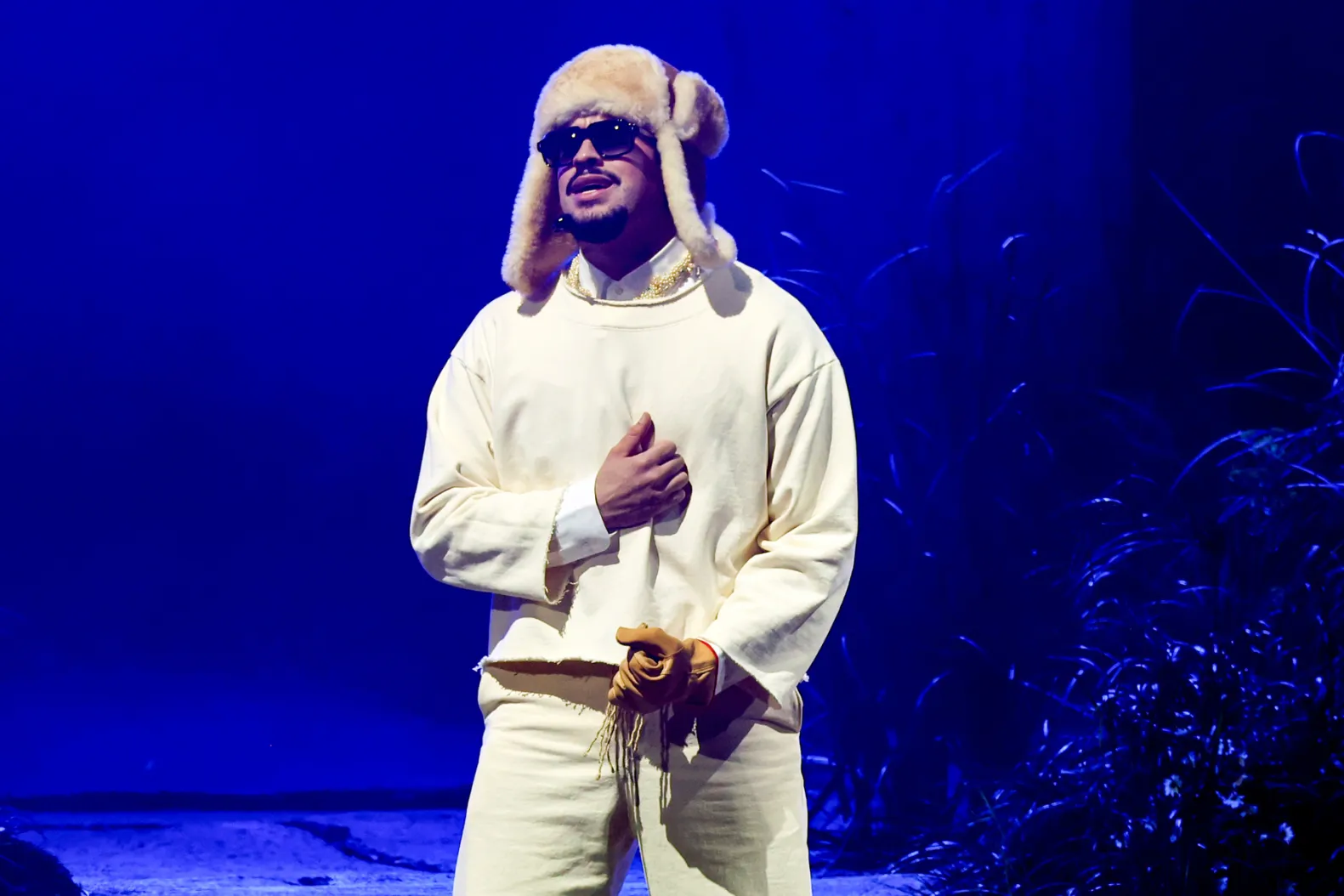
From the moment the broadcast cut to a swirling aerial shot of a pulsating, LED-lit stage, the tone was set. Bad Bunny emerged atop a moving taxi, a nod to the iconic music video for “El Apagón” which is itself a love letter to a resilient Puerto Rico. He launched into the song’s aggressive, dembow-driven beat, his voice commanding the stadium. This opening was a statement of intent: we are starting this show on my terms, with my sound, in my language. The transition into the mischievous, viral-hit “Tití Me Preguntó” was seamless, the stage flooding with a vibrant, dancing crowd that mirrored the chaotic energy of his concerts. The set design—sun-shaped lighting, palm tree silhouettes—evoked a Caribbean block party, not a traditional American football field.
The symbolism woven throughout was profound. The use of the cabezudo—a giant, traditional Puerto Rican carnival mask—during “I Like It” (with J Balvin and Cardi B) was a powerful image. It was a direct reference to the island’s Afro-Caribbean festival traditions, placing them at the heart of American spectacle. The performance of “Moscow Mule” and “Después de la Playa” showcased his musical versatility, from smoother pop to merengue. The inclusion of the bomba and plena collective, Los Pleneros de la 21, was perhaps the most poignant layer. As Bad Bunny and the group performed a snippet of “El Negro,” a classic bomba song, it was more than a musical interlude; it was a history lesson. It connected the modern reggaeton star directly to the African-rooted, centuries-old folk traditions of Puerto Rico, affirming the genre’s deep cultural lineage bad bunny super bowl.
“It wasn’t just a performance; it was a cultural assertion. Bad Bunny used those 12 minutes to map the entire musical and social DNA of Puerto Rico onto the Super Bowl field.” — Musicologist Dr. María García.
The performance’s structure was a narrative. It began with contemporary Puerto Rican pride, folded in a celebration of pan-Latin collaboration (with J Balvin and Cardi B), showcased his genre-blending hits, and culminated in a tribute to musical roots. Every costume change, every camera cut to ecstatic fans singing every word, reinforced the same message: this language, this rhythm, this culture, is already mainstream. The Bad Bunny Super Bowl setlist was a carefully curated argument for Latin music’s dominance, and it was an argument delivered with overwhelming, joyous force.
The Cultural and Commercial Impact: A Ripple Effect Felt Everywhere
The immediate aftermath of the show was a digital tsunami. According to Twitter (now X) and Instagram data, Bad Bunny dominated social media conversations, trending globally for hours. Streaming numbers for his catalog, particularly the performed songs, saw massive spikes. But the impact extended far beyond one-night metrics. The Bad Bunny Super Bowl moment became a cultural touchstone, a reference point for discussions about representation, the evolving American identity, and the commercial power of Latino audiences.
Culturally, it was a moment of profound validation for millions of Spanish-speaking Americans and Latinos worldwide. To see their music, their language, and their cultural symbols centered without translation or apology on the country’s most-watched broadcast was empowering. It signaled a shift from assimilation to celebration. The performance sparked countless conversations in living rooms and on social media about identity, with many sharing stories of watching with family, feeling a surge of pride as their parents sang along. It challenged the monolithic concept of “American music” and expanded it in real-time.
Commercially, the performance was a case study in effective cultural marketing. The NFL and Apple Music were widely praised for their choice, which boosted the league’s relevance with a younger, more diverse demographic. Brands associated with Bad Bunny or Latin culture saw significant engagement. The table below illustrates the measurable immediate impact:
| Metric | Pre-Super Bowl (Est.) | Post-Super Bowl Spike | Significance |
|---|---|---|---|
| Bad Bunny Spotify Streams | Already high (billions) | +20% for performed songs | Sustained his platform as a streaming giant |
| Social Media Mentions | High daily volume | Over 5 million during show | Dominated the cultural conversation |
| “Puerto Rico” Google Searches | Baseline | +250% increase | Direct link to cultural interest and tourism |
| NFL & Apple Music Brand Sentiment | Mixed/Varied | Sharply positive among Latino & young demos | Success in expanding audience appeal |
The economic “Bad Bunny effect” was clear. It reinforced to every major brand and entertainment entity that investing in Latino artists and authentically engaging with the Latino community isn’t just socially conscious—it’s outstanding business. The performance proved the audience’s size, passion, and purchasing power are undeniable drivers of the modern economy.
The Broader Implications for Music and Entertainment
The long-term implications of the Bad Bunny Super Bowl performance are still unfolding, but the direction is clear. It has irrevocably changed the calculus for major event booking. The success of the show has made it easier for the next non-English-dominant, genre-defying global superstar—be they from K-pop, Afrobeats, or another region—to be considered a viable, even obvious, headliner. It has moved the needle from “can they appeal to a broad audience?” to “their audience is the broad audience.”
Within the Latin music industry, the effect has been galvanizing. It has broken a psychological ceiling, showing artists and executives that the ultimate mainstream accolades are within reach without compromising artistic identity. It validates the “Spanish-first” strategy that has propelled artists like Karol G, Peso Pluma, and Feid to new heights. The performance also highlighted the diversity within Latin music itself, from reggaeton and trap to merengue and bomba, encouraging artists to explore their own roots more deeply.
For future Super Bowl halftime show Latino artists, the bar has been set in a new way. It’s no longer just about putting on a visually stunning show with hit medleys; there’s now an expectation, or at least an opening, for the performance to carry cultural weight and narrative depth. Bad Bunny proved that the halftime show can be a platform for meaningful cultural expression that enhances, rather than distracts from, the entertainment. This raises the stakes for artists, pushing them to think about their setlist as a story and their stage as a canvas for something bigger than themselves.bad bunny super bowl
Beyond the Halftime Show: Lasting Legacy and Future Predictions
The legacy of the Bad Bunny Super Bowl performance is multifaceted. It stands as a historic milestone in the journey of Latin music in the United States, a moment often placed alongside the rise of “Despacito” or the Lopez-Shakira halftime show, but distinct in its solo, opening-act boldness. It cemented Bad Bunny’s status not just as a pop star, but as a generational icon and cultural ambassador. For the Super Bowl itself, the show will be remembered as one of its most dynamic, energetic, and culturally significant productions, often ranked among the best of the 2010s and 2020s.
Looking ahead, the performance’s influence will likely be seen in several areas. We can expect continued growth in the booking of Latin headliners for major U.S. festivals and awards shows. The synergy between sports and Latin music will strengthen, with more leagues actively partnering with artists for anthems, campaigns, and half-time shows at all levels. Furthermore, the success underscores the importance of executive representation. Having decision-makers in rooms at the NFL, booking agencies, and major labels who understand and champion these artists is crucial for sustaining this momentum.bad bunny super bowl
Ultimately, the Bad Bunny Super Bowl moment was a point of convergence where artistic excellence, cultural pride, and commercial logic met on a global stage and triumphed. It was a celebration that felt both intimately personal to a specific community and universally exhilarating. It demonstrated that in today’s fragmented media landscape, the surest path to a common, massive experience might just be through the authentic expression of a once-marginalized sound. The field was football’s, but for those 12 minutes, the culture was Latin, and everyone was invited to the party.
Conclusion
Bad Bunny’s performance at Super Bowl LVII was far more than a successful concert interlude. It was a cultural field goal that scored points far beyond the confines of State Farm Stadium. By opening the show solo, in Spanish, with the unfiltered energy of his Puerto Rican roots, he executed a flawless play that rewrote the rules of mainstream American entertainment. The performance validated the immense cultural and commercial power of the Latino community, provided a masterclass in symbolic spectacle, and set a new precedent for what a halftime show can achieve. Its echoes are found in streaming numbers, brand strategies, and the empowered sense of possibility for artists worldwide. The Bad Bunny Super Bowl show didn’t just entertain the world; it reflected a changed world, one where the rhythms of reggaeton and the resonance of Spanish lyrics are indisputably part of the American soundtrack. It was a moment that, once seen, could not be unseen—a definitive declaration that the future of pop is polyglot, rhythmic, and here.
Frequently Asked Questions (FAQs)
What songs did Bad Bunny perform at the Super Bowl?
Bad Bunny’s setlist was a high-energy journey through his hits and cultural nods. He opened with “El Apagón” and “Tití Me Preguntó,” before being joined by J Balvin for a snippet of “I Like It” (which also featured a cameo from Cardi B). He then performed “Moscow Mule,” “Después de la Playa,” and culminated the Latin segment with a powerful tribute alongside Los Pleneros de la 21, performing “El Negro” to highlight Puerto Rican bomba music. His segment seamlessly transitioned into the main halftime act featuring Rihanna.
Why was Bad Bunny’s Super Bowl performance so significant?
The significance stems from several firsts and bold statements. He was the first Latin artist to open the Super Bowl halftime show solo. He performed almost entirely in Spanish, centering the language without concession from the very first moment. The show was a deep celebration of specifically Puerto Rican culture, from the music to the carnival imagery. It symbolized the full arrival of Latin music as a mainstream, headline-dominating force in the United States, driven by demographic and commercial power.
How did the Bad Bunny Super Bowl performance affect Latin music’s popularity?
The performance acted as a massive global amplifier. It led to immediate and sustained spikes in streaming for his music and introduced his sound to segments of the U.S. audience that may not have been regular listeners. More broadly, it legitimized Latin music as a headline act for the world’s biggest stages, boosting the industry’s confidence and likely influencing booking decisions for all major events. It proved that an artist could reach the pinnacle of U.S. entertainment without a English-language crossover strategy.
What were the unique cultural elements in Bad Bunny’s halftime show?
The show was rich with Puerto Rican and Latino cultural symbolism. The most prominent was the use of the cabezudo (giant carnival mask) during “I Like It,” a direct reference to island traditions. The inclusion of Los Pleneros de la 21 performing bomba music connected modern reggaeton to its African-rooted folk origins. The stage design with sun and palm motifs, the dancing styles, and the very language used created a distinct Caribbean block party atmosphere on the field.
Will Bad Bunny’s performance influence future Super Bowl halftime shows?
Absolutely. The success of the Bad Bunny Super Bowl show has fundamentally expanded the pool of potential headliners. It proved that global superstars whose primary language isn’t English are not only viable but can deliver ratings and cultural cachet. Future shows will likely feel more emboldened to feature diverse genres and artists, knowing that authenticity resonates. It also set a high bar for integrating cultural narrative into the spectacle, moving beyond just a hit-medley format.