
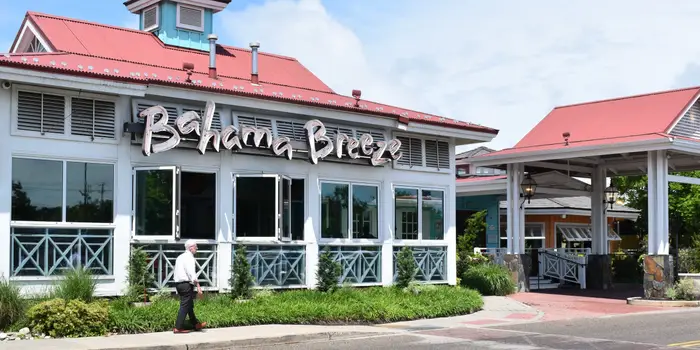
The story of Bahama Breeze is one of vibrant beginnings and a quiet, tropical sunset. Founded in Orlando, Florida, in 1996, this Caribbean-inspired restaurant chain spent nearly three decades bringing island flavors to the American casual dining scene. Known for its seafood, steaks, and famously potent tropical drinks, Bahama Breeze carved out a unique niche where guests could escape into a world of palm trees and reggae music, if only for an evening. However, in a move that surprised loyal patrons and industry observers alike, its parent company, Darden Restaurants, announced on February 3, 2026, that it would permanently retire the brand. The final 28 locations would either shutter or be converted into other Darden concepts, with the last Bahama Breeze restaurants serving their final rum runners and coconut shrimp by April 5, 2026. This final chapter closes the book on a restaurant that was more than just a place to eat; it was a destination for celebration, a backdrop for memories, and for nearly 30 years, a beloved portal to a tropical state of mind.
This transition marks the end of an era for Caribbean-themed dining. Darden, the conglomerate behind giants like Olive Garden and LongHorn Steakhouse, concluded after a strategic review that the Bahama Breeze brand was no longer a priority. The company’s official statement detailed a clear plan: half of the remaining locations would be permanently closed, and the other half, deemed to be in strong market positions, would be converted over the subsequent 12 to 18 months into other concepts within Darden’s expansive portfolio. While the business logic is clear, the announcement resonated on a deeply personal level for thousands of guests and employees. On social media and review sites, a wave of nostalgia washed over fans who shared stories of anniversary dinners, first dates that turned into marriages, and family celebrations held under the restaurant’s festive, thatched-roof aesthetic. The closure isn’t just a business transaction; it feels like the loss of a familiar, joyful friend.
The Rise and Evolution of a Caribbean Dining Pioneer
When Bahama Breeze opened its first location on Orlando’s bustling International Drive in 1996, it was something of a bold experiment. The casual dining landscape was dominated by Italian, steakhouse, and generic American concepts. Darden Restaurants, already a powerhouse with Red Lobster and Olive Garden, saw an opportunity to introduce American palates to the vibrant, sun-drenched flavors of the Caribbean. The concept was immersive from the start: it wasn’t just about serving jerk chicken and plantains; it was about creating a full sensory experience. The restaurants were designed with tropical décor, outdoor patios strung with lights, and live music often featuring Caribbean steel drums or acoustic island tunes. This focus on atmosphere made Bahama Breeze a popular choice not just for dinner, but for happy hours and weekend gatherings, positioning it as a destination for relaxation and fun.
The chain experienced significant growth, particularly in its home state of Florida and in tourist-heavy markets. At its peak, the brand expanded to over 40 locations across the United States, becoming a familiar sight in suburban shopping districts and near vacation destinations. For many, a trip to Bahama Breeze was a ritual—a taste of vacation without needing a passport. The menu evolved but stayed true to its core identity. It successfully bridged the gap between approachable and adventurous, offering burgers and pasta for the cautious while also featuring authentic touches like mojo-marinated pork, crispy Cuban sandwiches, and a wide array of rum-based cocktails. This formula proved successful for years, making Bahama Breeze a pioneer that paved the way for other regional and tropical-themed concepts to find space in the competitive casual dining sector.
https://headlinenest.com/about-wurduxalgoilds-for-women/
The Gathering Storm: Challenges and the Decision to Close
Despite its early success and loyal following, Bahama Breeze began to face mounting challenges in the 2020s. The casual dining industry was undergoing a seismic shift, accelerated by the COVID-19 pandemic. Changing consumer habits, a move toward off-premise dining, and intense competition from fast-casual chains put pressure on many full-service restaurant models. For Bahama Breeze, these macro trends were compounded by specific strategic pressures within its parent company, Darden Restaurants. By mid-2025, Darden had already made the difficult decision to close 15 underperforming locations, a move that cut the chain’s footprint by more than a third and pulled it entirely out of states like New York, Massachusetts, and Nevada. This was a clear signal that the brand was struggling.
The decisive blow came in June 2025, when Darden publicly stated that Bahama Breeze was no longer a “strategic priority” and announced it would explore alternatives for the remaining 29 locations, including a potential sale or conversion to other brands. The final decision, announced in February 2026, was to wind down the brand entirely. Darden’s official press release framed the move as a pragmatic allocation of resources. The company stated that converting half the locations to other, more profitable Darden brands would allow it to retain valuable real estate and team members while focusing its capital and energy on concepts with stronger growth trajectories. The table below outlines the final disposition of the remaining Bahama Breeze locations, showing a clear geographic concentration in Florida.
| Fate of Location | Example Cities | Number of Locations | Key Detail |
|---|---|---|---|
| Permanently Closing | Newark, DE; Livonia, MI; Cherry Hill, NJ; Pittsburgh, PA; Woodbridge, VA | 14 | All scheduled to close by April 5, 2026. |
| Converting to Another Darden Brand | Altamonte Springs, FL; Brandon, FL; Orlando, FL (multiple); Tampa, FL; Kennesaw, GA | 14 | Conversions to occur over 12-18 months; specific new brands not disclosed. |
The closure was attributed to a combination of factors, including a documented 7.7% sales decline in 2024 and broader “economic and business factors” impacting the industry. In its statement, Darden cited familiar industry headwinds like inflation, changing consumer preferences, and increased operational costs as contributing to the decision. While the brand had its fans, the numbers ultimately told a story of a concept that, despite its unique charm, could not maintain the financial performance required in Darden’s large and competitive portfolio.
The Heart of the Experience: A Deep Dive into the Food and Drink
To understand what made Bahama Breeze special, you have to look at its menu. It was a carefully crafted journey through Caribbean and tropical flavors, designed to be both festive and comforting. The kitchen took familiar proteins—shrimp, chicken, steak—and infused them with island character. Dishes like the signature Jerk Chicken Pasta or the Grilled Salmon with mango salsa became beloved staples, offering a reliable yet exciting flavor profile. The appetizer menu was a celebration of shareable, flavorful bites, from the iconic Coconut Shrimp with orange chili sauce to the crispy Goat Cheese Fritters, often credited as a fan-favorite item that guests would crave long after their visit.
However, if the food was the heart of the experience, the bar program was undoubtedly its soul. Bahama Breeze built a formidable reputation on its expansive list of tropical cocktails, turning happy hour into a mini-vacation. The bartenders were mixologists of escapism, shaking and blending drinks that were as visually appealing as they were delicious. While the restaurant served its own versions of classics, the true spirit of its beverage philosophy can be captured in a classic tropical recipe, reminiscent of the flavors that filled its glasses.
“The starring ingredient… is rum, which has been linked to The Bahamas for centuries… You’ll also enjoy tropical flavours like coconut and banana.” – Nassau Paradise Island
This focus on rum-based, fruit-forward creations was central to the brand’s identity. Drinks were often served in novelty glassware, garnished with fresh fruit and flowers, making them perfect for social media and synonymous with celebration. The bar was a destination in itself, drawing crowds for after-work drinks, girls’ nights out, and festive gatherings. Losing Bahama Breeze means losing these specific, curated portals to a tropical state of mind, where the clink of ice in a tall glass signaled the start of relaxation.
The Human Element: Memories, Staff, and Community Impact
Beyond the balance sheets and strategic reviews, the closure of Bahama Breeze leaves a human footprint. For long-time employees, some of whom had been with the brand for decades, the announcement brought uncertainty. Darden has stated its intention to prioritize placing affected team members into roles within its other brands, a commitment that will be crucial for these individuals’ livelihoods. For many servers, bartenders, and managers, Bahama Breeze was more than a job; it was a culture. The restaurant was known for a particular brand of upbeat, friendly service that matched its vibrant atmosphere. Training staff to not only serve food but to help curate a fun, relaxing experience was a key part of the brand’s identity, and that unique skill set was developed over years.
For guests, the impact is nostalgic. The news sparked an outpouring of shared memories online. One poignant story, shared on social media, recounted a first date at a Bahama Breeze in 2016 that eventually led to marriage. Stories like this are a testament to the restaurant’s role as a backdrop for life’s meaningful moments. It was a place for prom dinners, birthday celebrations, and casual family nights where parents could enjoy a tropical drink while the kids ate something approachable. In many communities, especially those far from an ocean, Bahama Breeze served as a consistent and reliable venue for marking special occasions in a cheerful, decorated space. The sense of loss expressed by fans isn’t just about the food; it’s about the loss of a specific place tied to personal history.
The Caribbean-Themed Dining Niche After Bahama Breeze
With the impending sunset of Bahama Breeze, a question naturally arises: what does this mean for Caribbean-inspired casual dining? The chain was one of the largest and most recognizable national players in this specific niche. Its departure leaves a noticeable gap in the market, particularly in mid-sized cities and suburbs where it was often the primary option for this cuisine. This creates both a challenge and an opportunity. The challenge is for the loyal customers who now lose their go-to spot for jerk seasoning and piña coladas. The opportunity, however, may open up for smaller, independent Caribbean restaurants and emerging fast-casual concepts that can offer more regionally specific authenticity.
The trend in dining has been moving toward authenticity and locality for some time. While Bahama Breeze offered a pan-Caribbean, resort-style experience, newer consumers often seek out more specific culinary traditions—Jamaican, Cuban, Trinidadian, etc.—frequently from chef-owned establishments. The closure of this large chain might inadvertently drive curious diners to explore these local, authentic alternatives. Furthermore, the conversion of 14 Bahama Breeze locations into other Darden brands (likely existing concepts like LongHorn Steakhouse, Cheddar’s Scratch Kitchen, or Yard House) will reshape local dining scenes in those areas. A piece of tropical flair will be replaced by another established concept, changing the competitive dynamics for other restaurants in those strips and malls.
Recreating the Magic at Home: A Taste of the Legacy
For the legion of fans mourning the loss of their favorite tropical escape, all is not lost. Part of Bahama Breeze’s legacy is the flavor profile it popularized. The good news is that the essence of a Bahama Breeze experience—the bright, fruity, rum-infused joy—can be recreated at home. It starts with embracing the spirit of tropical cooking: using fresh fruits like mango and pineapple, incorporating spices like allspice and nutmeg, and mastering marinades with citrus and herbs. Grilling takes on a new life with a jerk marinade or a mojo sauce. The internet is replete with copycat recipes for the chain’s most famous dishes, from its coconut shrimp to its key lime pie, allowing determined home cooks to attempt to bring the magic to their own kitchens.
The true centerpiece of any home homage, however, is the cocktail. Crafting a great tropical drink is about balance and quality ingredients. As the recipe from Nassau Paradise Island illustrates, the foundation is good rum. A classic Bahama Breeze cocktail, for example, artfully blends dark rum, coconut rum, banana liqueur, and fruit juices to create a complex, refreshing sip. Setting the mood is equally important—play some reggae or calypso music, string up some patio lights, and serve your homemade creations with flair. The goal isn’t necessarily to perfectly replicate a restaurant dish, but to capture the feeling of relaxation and celebration that Bahama Breeze embodied for so many years. In this way, the brand’s influence continues, shifting from a corporate entity to a personal culinary inspiration.
Frequently Asked Questions
What is the official closing date for Bahama Breeze restaurants?
All Bahama Breeze locations slated for permanent closure will cease operations on April 5, 2026. After this date, these specific restaurants will be closed for good. Another 14 locations are scheduled for conversion into other Darden restaurant brands; these will stay open until they temporarily close for remodeling, a process that is expected to unfold over the 12 to 18 months following the April 2026 closure date.
Is every single Bahama Breeze restaurant closing for good?
Not exactly. The parent company, Darden Restaurants, has a two-part plan. Fourteen of the final 28 restaurants will be permanently closed. The other 14 locations have been identified as strong real estate sites and will be converted into different restaurant concepts owned by Darden, such as Olive Garden, LongHorn Steakhouse, or Yard House. So, while the Bahama Breeze brand is disappearing, about half of its last buildings will reopen under a new name and menu.
What will happen to the employees working at Bahama Breeze?
Darden Restaurants has publicly stated that it will prioritize placing affected Bahama Breeze team members into roles within its other brands. Darden owns a large portfolio of restaurants, including Olive Garden and LongHorn Steakhouse, so there is an intent to offer transfer opportunities where possible. The company’s official statement mentions that supporting team members through this transition is a primary focus.
Why did Darden decide to close Bahama Breeze?
Darden cited the brand’s lack of “strategic priority” within its larger portfolio as the main reason. This business decision followed a period of declining sales, including a 7.7% drop in 2024, and a strategic review that began in mid-2025. The company determined that its resources and capital would be better invested in other brands with stronger growth potential, leading to the decision to close or convert all remaining Bahama Breeze locations.
Can I still get Bahama Breeze recipes or similar food anywhere?
While you won’t be able to visit an official restaurant, the distinctive Caribbean-inspired flavors can be recreated at home. Many copycat recipes for popular Bahama Breeze dishes and drinks are available online from food bloggers and fans. Furthermore, the closure may lead you to discover local, independent Caribbean restaurants in your area that offer authentic, regionally-specific cuisine, potentially providing an even more genuine taste of the islands.
Conclusion
The final sunset for Bahama Breeze marks the end of a distinctive chapter in American casual dining. For three decades, it served as a vibrant, accessible portal to the tropics, offering not just a meal but a mood—a few hours of relaxation, celebration, and flavorful escape. Its closure, driven by the hard numbers of corporate strategy and shifting market tides, reminds us that even beloved brands are not immune to change. Yet, the legacy of Bahama Breeze is more than a list of shuttered locations. It lives on in the memories of first dates and family dinners, in the popularization of Caribbean flavors for a generation of diners, and in the inspiration it provides to recreate a touch of paradise in our own backyards. While the thatched roofs will come down and the reggae music will fade in its dining rooms, the breeze it created—a refreshing gust of tropical fun—will linger in the stories and tastes it leaves behind.


