If you’re dreaming of a kitchen that feels both luminous and grounded, sophisticated yet welcoming, then your search likely begins and ends with white granite countertops. This classic choice has captivated homeowners and designers for decades, not as a fleeting trend but as a testament to enduring style and formidable function. Far from being a single, monolithic option, the world of white granite is a spectrum of possibilities—from slabs that gleam with icy, cool undertones to those that radiate creamy, warm hospitality. This comprehensive guide will walk you through everything you need to know, from dispelling common myths and selecting the perfect slab for your home to understanding long-term care. We’ll draw on decades of fabrication expertise and real-world experience to help you make an informed, confident decision for your most important space.
The allure of a white granite countertops lies in its powerful duality. It acts as a bright, clean canvas that visually expands a space, reflecting light to make even modest kitchens feel airy and open. Simultaneously, as a product of the Earth, it brings an irreplaceable, organic texture and depth that no manufactured surface can fully replicate. Each slab tells a unique geological story through its intricate veining, delicate mineral deposits, and subtle color variations. Whether your style leans toward a sleek, modern aesthetic, a cozy farmhouse charm, or a timeless transitional look, there is a white granite that can serve as the foundational piece of your design. However, navigating the choices requires insight. You’ll learn that the term “white” is wonderfully deceptive, encompassing a rich palette of undertones and patterns, and that success hinges on pairing the stone’s personality with your kitchen’s lighting, cabinetry, and your own lifestyle.
Demystifying White Granite: What It Really Is
Let’s start with a fundamental truth that seasoned fabricators wish every client knew: pure, solid white granite does not exist in nature. This is perhaps the most important point of clarity when beginning your journey. The granites we collectively refer to as “white” are natural stones with a predominantly white, off-white, or light gray background. This base is magnificently interrupted and adorned by a universe of natural minerals—swirling veins, delicate speckles, and dramatic deposits in shades of black, gray, silver, burgundy, brown, and even hints of blue or gold. It is this very combination of a light field and contrasting elements that creates the dynamic beauty and one-of-a-kind character of every slab. Embracing this reality opens you up to the authentic artistry of natural stone, moving beyond a search for a sterile ideal to finding a piece with soul and story.
Understanding the composition of granite helps explain its performance. Granite is an igneous rock, formed from cooled magma deep within the Earth’s crust. Its strength comes from its interlocking mineral crystals, primarily quartz and feldspar, which give it a renowned hardness and durability. On the Mohs scale of mineral hardness, granite typically rates between 6 and 7, making it highly resistant to scratching and heat. This inherent toughness is why granite, including white varieties, has earned its place as a premier countertop material for busy kitchens. It stands up to the rigors of daily meal prep, hot pans, and active family life far better than many alternatives. The key to its stain resistance, however, lies not just in its density but in a crucial man-made step: the application of a high-quality sealer, which we will explore in detail later.
A Curated Guide to Popular White Granite Varieties
The array of White Granite Countertops available can be dazzling. Each variety, often named by quarries or distributors, has its own distinct personality, origin, and ideal application. To make an informed choice, it’s essential to look beyond the name and understand the visual and practical characteristics of each stone. The following table provides a clear, at-a-glance comparison of some of the most sought-after types to help you begin narrowing your focus.
Table: Comparison of Popular White Granite Varieties
| Granite Name | Primary Origin | Key Characteristics & Colors | Best Suited For |
|---|---|---|---|
| Dallas White | Brazil | Creamy white background with soft lavender and light gray veining; tight grain, consistent. | Versatile kitchens; works with white, gray, or wood-tone cabinets. |
| Alaska White | Brazil | Icy silver, frosty white, warm brown, and black minerals; premium visual impact. | Creating warmth with wood cabinets; contemporary spaces. |
| Colonial White | India | Creamy off-white with black speckles, smoky silver, and hints of rose-pink. | Warm, inviting kitchens; a more affordable option. |
| Moon White | India | Predominantly white with fine ivory, silver, and black grains; uniform appearance. | Budget-conscious projects; achieving a bright, clean look. |
| White Ice (Aspen White) | Brazil | Snowy white with cool blue-gray veining; sleek and streamlined. | Modern, contemporary kitchens with cool-toned elements. |
| New River White | India | Alabaster background with bold silver veining and distinctive dark red/crimson flecks. | Making a dramatic, personalized statement. |
| Bianco Romano | Brazil | Creamy white with subtle dark brown and black flecks; understated and timeless. | Transitional kitchens; pairs with virtually any cabinet color. |
| White Ornamental | Brazil | Soft whites, creams, taupes, and grays in low variation; subtle sophistication. | Excellent budget-friendly choice without sacrificing durability. |
| Stream White | India | White-warm background with light gray and white-cool accents; polished finish. | Residential and commercial applications; high-variation look. |
When reviewing these options, consider not just color but also the movement and variation. Slabs like New River White or Alaska White are known for high variation, meaning no two sections look exactly alike, offering a dynamic, artistic focal point. Others, like Moon White or White Ornamental, offer much lower variation, providing a calmer, more uniform appearance that some homeowners prefer for a serene aesthetic. As one experienced fabricator notes, “The question isn’t whether you can find pure white. It’s finding the right white granite countertop that works with your cabinets, lighting, and lifestyle.” This sage advice shifts the goal from an impossible standard to a perfect partnership for your specific space.White Granite Countertops
The Critical Impact of Lighting and Undertones
Perhaps the most surprising lesson in selecting white granite is that the slab you fall in love with in the showroom can look profoundly different in your own home. This chameleon-like quality is almost entirely due to lighting. The type, temperature, and direction of light all interact with the stone’s mineral composition to alter its perceived color. Under the warm glow of incandescent or halogen bulbs, a granite with cream or gold undertones will feel richer and more buttery. That same slab under cool, blue-toned LED lighting or in the diffuse light of a north-facing window can suddenly appear grayer, cooler, and more stark. This is why fabricators consistently give one crucial piece of advice: always, always view a large sample, or better yet, the actual slab, in the context of your kitchen at different times of day.
This leads us to the core concept of undertones, which is the secret language of White Granite Countertops. Successfully coordinating your kitchen depends on identifying whether your chosen stone—and your other design elements—lean warm or cool. Warm white granites, such as Colonial White, Alaska White, and Bianco Romano, feature undertones of cream, gold, brown, or even rose-pink. They create a sense of cozy, traditional elegance and harmonize beautifully with warm wood cabinets (like oak or cherry), bronze or gold hardware, and beige or cream backsplashes. Cool white granites, like White Ice, Moon White, and even the versatile Dallas White, exhibit undertones of gray, blue, or silver. These stones excel in creating a crisp, modern, and airy feel, pairing seamlessly with pure white or gray painted cabinets, chrome or nickel fixtures, and backsplashes in white subway tile or cool gray glass.
White Granite in the Competitive Landscape: Quartz and Marble
When you set out to choose white countertops, white granite will be one of several compelling options. It’s essential to understand how it stacks up against its two main competitors: engineered quartz and natural marble. Each material has a distinct profile of advantages and trade-offs related to aesthetics, durability, maintenance, and cost. A clear comparison will help you align your choice with your priorities, whether they lean toward absolute practicality, unmatched natural drama, or a balance of both.
White quartz countertops are a powerhouse of consistency and low maintenance. As an engineered product made from crushed quartz bound with resin, quartz offers a perfectly uniform appearance with virtually no porosity, meaning it never requires sealing and is highly stain-resistant. For homeowners who desire a predictable, spotless white surface with minimal upkeep, quartz is a formidable choice. However, this comes with compromises. Quartz is not as heat-resistant as granite; placing a hot pan directly on it can damage the resin binder, leading to discoloration or cracking. Furthermore, while manufacturing has advanced, some people can perceive the pattern repetition in quartz as less authentic than the wholly unique, natural artistry found in every slab of granite.
Carrara marble countertops represent the pinnacle of classic, soft beauty. Its iconic white background with gentle gray veining has been adored for centuries. For those who value a timeless, luxurious patina above all, marble is irresistible. However, marble is a calcite-based stone, which makes it much softer (around 3-4 on the Mohs scale) and far more chemically reactive than granite. It is susceptible to etching from common acidic substances like lemon juice, vinegar, or wine, which can dull the polish in affected spots. It is also more porous and requires diligent, frequent sealing to prevent staining. As one fabricator succinctly puts it, marble is “beautiful if you embrace the patina. Less forgiving if you want pristine countertops.” White granite, therefore, often emerges as the ideal middle path. It offers the sought-after light and bright aesthetic with the unique variations of natural stone, but couples it with significantly greater hardness, heat resistance, and overall durability for a busy household.
https://headlinenest.com/magnolia-tree/
Practical Realities: Cost, Installation, and Long-Term Care
Investing in white granite countertops is a decision that encompasses initial purchase, professional installation, and a long-term care routine. Understanding this full lifecycle will ensure your countertops remain a source of joy for years to come. The cost of white granite is not a single figure but a range influenced by the rarity of the stone, its country of origin, the complexity of your project, and your geographic location. As highlighted in the comparison table, budget-friendly options like Moon White or White Ornamental provide excellent value and the white granite look at a lower entry point. Mid-range staples like Dallas White or White Ice offer a balance of beauty and cost, while premium varieties like Alaska White or highly unique slabs like New River White will command a higher price. Remember to budget for the full scope: the cost of the slab itself, professional fabrication (which includes precise cutting for sinks and cooktops), and installation.
The installation process is not a DIY endeavor. Professional fabrication is critical for a flawless, safe, and lasting result. Expert fabricators use specialized tools to cut the stone, create edge profiles (like the popular eased, beveled, or ogee edges), and ensure seams are as tight and inconspicuous as possible. A key step they perform is the application of a high-quality penetrating sealer immediately after installation. This sealer is the cornerstone of easy maintenance for white granite. It fills the microscopic pores in the stone, creating an invisible barrier that causes liquids to bead up on the surface rather than soak in. While granite is naturally less porous than marble, sealing is non-negotiable for optimal stain resistance, especially on a light-colored stone.White Granite Countertops
Daily and long-term care for white granite is straightforward. For daily cleaning, simply use a soft cloth with warm water or a mild, pH-neutral dish soap. It is vital to avoid acidic or abrasive cleaners, including vinegar, lemon juice, bleach, or scouring powders, as these can degrade the sealer and dull the stone’s polish over time. While the surface is highly scratch-resistant, using cutting boards is still recommended to protect your knives and the sealant. Similarly, while it can handle hot pots, using trivets is a simple habit that preserves the seal. The sealer is not permanent; it will wear down with daily use and cleaning. Most manufacturers and fabricators recommend re-sealing your white granite countertops approximately once a year. You can test if sealing is needed by sprinkling a few drops of water on the surface. If it darkens the stone or soaks in after a few minutes, it’s time to re-seal. This simple, annual maintenance is a small price to pay for a lifetime of beauty and performance.
Designing Your Dream Kitchen with White Granite
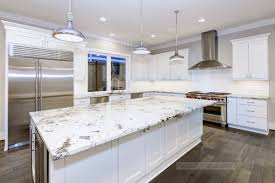
With the practical knowledge secured, we can turn to the exciting creative process: designing around your white granite countertops. Their versatility is their greatest strength. For a timeless white kitchen, pair bright, cool-toned granite like White Ice with stark white Shaker-style cabinets and a white subway tile backsplash for a crisp, clean look that will never go out of style. To add depth, incorporate polished nickel or chrome fixtures and hardware. For a modern or contemporary kitchen, leverage the cool gray undertones in a stone like Dallas White. Combine it with sleek, flat-panel gray or charcoal cabinets, stainless steel appliances, and a minimalist backsplash in a solid sheet of glass or large-format concrete-look tile.
If your heart leans toward warm, traditional, or farmhouse style, the warm undertones of Colonial White or Bianco Romano are your allies. Pair them with off-white or cream cabinets, classic beaded-board details, a farmhouse sink, and warm bronze or oil-rubbed bronze faucets. For backsplash, consider handcrafted zellige tiles in a warm white or a classic hexagon shape. White granite also makes a stunning partner for bold, dark cabinets. The high contrast of a bright, clean white countertop against navy blue, forest green, or charcoal black cabinetry is undeniably dramatic and sophisticated. In this scenario, a granite with some subtle movement or delicate veining helps bridge the contrast between the dark base and light surface.
Don’t forget the supporting players. Your choice of sink and faucet should complement both the stone and the cabinet hardware. An under-mount stainless steel sink is a nearly universal and practical choice that creates a seamless flow from countertop to sink. For a more integrated look, some homeowners opt for a composite granite sink. The edge profile you choose for your countertops, while a subtle detail, contributes significantly to the overall style—a simple eased edge feels modern, while a more elaborate ogee or bullnose edge leans traditional. Finally, remember that white granite countertops are not confined to the kitchen. They bring the same light-enhancing, durable luxury to bathroom vanities, laundry rooms, wet bars, and even outdoor kitchen spaces (with a granite rated for exterior use and proper sealing).
Conclusion
Choosing white granite countertops is an investment in lasting beauty, enduring function, and the unique character that only natural stone can provide. It is a decision that moves beyond the superficial to embrace a material with depth, history, and remarkable resilience. By understanding that “white granite” is a beautiful spectrum of possibilities, respecting the critical role of lighting and undertones, and committing to its simple care regimen, you equip yourself to make a choice you will cherish for decades. Whether you are drawn to the crisp modernity of White Ice, the warm welcome of Colonial White, or the dramatic statement of New River White, you are selecting a centerpiece that will anchor your home’s daily life with grace and strength. In the end, the perfect white granite isn’t about finding a mythical pure white slab; it’s about discovering the one that tells a story you want to live with every day—a story of light, earth, and timeless style.
Frequently Asked Questions
What is the biggest misconception about white granite countertops?
The most common and significant misconception is that pure, solid white granite exists. In reality, all white granites are natural stones with a white or light-colored background that features a variety of veins, specks, and mineral deposits in contrasting colors like gray, black, brown, or burgundy. This natural variation is what gives each slab its unique beauty and character, far from being a flaw.
Are white granite countertops more likely to stain than darker granite?
Not if they are properly sealed. The porosity and stain resistance of granite have more to do with its mineral density and the quality of the applied sealer than its color. A professionally installed, high-quality penetrating sealer creates an effective barrier against stains in both light and dark granites. With annual resealing and prompt cleanup of spills, white granite countertops maintain their beauty without excessive staining.
How do I choose between warm-toned and cool-toned white granite?
The choice depends on your existing or planned kitchen elements. Examine your cabinet color, flooring, and lighting. Warm white granites (with cream, gold, or pink undertones) pair best with warm wood cabinets, bronze fixtures, and warm lighting. Cool white granites (with gray, blue, or silver undertones) harmonize with white or gray painted cabinets, chrome or nickel fixtures, and cool LED or north-facing natural light. Always bring samples of your key materials when selecting a slab.
Can I use white granite in my bathroom as well as my kitchen?
Absolutely. White granite is an excellent and highly durable choice for bathroom vanities. It brings the same light-reflecting, space-enhancing qualities to a bathroom and stands up well to the humidity and products commonly found there. The same principles of selection and sealing apply, making it a luxurious and practical surfacing option throughout the home.
What is the real difference in maintenance between white granite and white quartz?
The core difference is that white quartz is non-porous and never requires sealing, while white granite needs a penetrating sealer applied during installation and reapplied approximately once a year. For daily cleaning, both can be wiped with mild soap and water. However, quartz is more susceptible to damage from high heat (hot pans can discolor the resin), whereas granite offers superior heat resistance. Granite also provides a completely unique, natural appearance compared to the more uniform pattern of quartz.White Granite Countertops