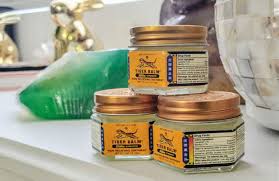
Why is Tiger Balm illegal? The truth is far more nuanced than a simple ban; Tiger Balm faces complex global regulatory challenges due to its potent ingredients, manufacturing compliance issues, and varying international standards that affect its availability, but it remains legal in most countries with proper formulations. For over a century, Tiger Balm’s distinctive red and white jars have been a familiar sight in medicine cabinets across Asia and, increasingly, around the world. Its unique aroma promises relief from aches and pains, embodying a bridge between traditional herbal wisdom and modern consumer needs. Yet, persistent rumors and occasional headlines have led many to wonder about its legal standing. The question “why is Tiger Balm illegal” pops up in online searches and forums, often fueled by isolated regulatory actions or misunderstandings about its ingredients. The reality is that Tiger Balm exists in a multifaceted regulatory landscape where its status depends on specific formulations, manufacturing practices, and the pharmaceutical laws of each country.
The global journey of this topical analgesic reveals a constant negotiation between traditional medicine and contemporary safety standards. While not broadly prohibited, certain versions of Tiger Balm have faced restrictions, recalls, or intense scrutiny from health authorities like the U.S. Food and Drug Administration (FDA) and the Korea Consumer Agency. These actions are typically rooted in legitimate concerns about ingredient concentrations, labeling accuracy, or factory production controls—not an outright rejection of the product’s heritage or efficacy. Understanding the “why” behind these regulatory challenges requires a deep dive into the balm’s potent formula, the evolution of international drug oversight, and how a household name navigates the complex world of global compliance. This exploration separates fact from fiction, providing clarity on where, how, and why Tiger Balm’s legality comes into question.
The Origins and Global Expansion of Tiger Balm
The story of Why Is Tiger Balm Illegal begins not with controversy, but with innovation and family enterprise in the herbal medicine shops of late 19th-century Burma. Aw Chu Kin, a Chinese herbalist, laid the foundation with his “Hall of Everlasting Peace” pharmacy in Rangoon. After his death, his sons Aw Boon Haw (“Gentle Tiger”) and Aw Boon Par (“Gentle Leopard”) perfected their father’s formula, leading to the official launch of Tiger Balm in the early 20th century. The name itself was a masterstroke of branding, drawing on the tiger’s symbolism of strength and the founder’s name, creating an enduring identity that conveyed power and efficacy. The brothers were not just chemists but pioneering marketers, using custom vehicles with tiger-shaped hood ornaments to distribute samples, ensuring their product became a staple in households throughout Southeast Asia.
From its Burmese origins, the Aw family business relocated to Singapore, transforming the city-state into a strategic hub for global expansion. This move marked the beginning of Tiger Balm’s journey from a regional remedy to an international phenomenon. The brothers established a vast distribution network across Asia, and eventually, their products reached markets in Europe, North America, and beyond. Today, Tiger Balm is a diversified brand under Haw Par Healthcare, with manufacturing centers in several countries and a product line that includes patches, gels, sprays, and the classic ointment. This global footprint means the brand must now answer to a wide array of national health authorities, each with its own regulatory philosophy. The very ingredients that made Tiger Balm a success—like camphor and menthol—are now scrutinized under modern safety protocols, setting the stage for the complex compliance landscape it navigates today.Why Is Tiger Balm Illegal
Regulatory Frameworks and the Question of Legality
To understand why Tiger Balm faces legal challenges, one must first understand how countries regulate topical analgesics. There is no single, global rulebook. In the United States, the FDA classifies products like Tiger Balm as over-the-counter (OTC) external analgesics, subject to a monograph system that dictates acceptable active ingredients, their concentrations, and required labeling. The product must demonstrate it is both safe and effective for its intended use. In the European Union, regulations can vary by member state, but many follow directives that require traditional herbal medicines to demonstrate quality and safety, with some requiring registration based on long-term use. In parts of Asia where traditional medicine is more integrated into the healthcare system, regulations might be structured differently, sometimes allowing for higher concentrations of certain herbal ingredients.Why Is Tiger Balm Illegal
The core of the legal question often hinges on specific, high-profile regulatory actions. A pivotal moment occurred in 2019 when the U.S. FDA issued a serious warning letter to Haw Par Healthcare after inspecting its manufacturing facility in Singapore. The letter did not declare Tiger Balm illegal, but it cited significant violations of Current Good Manufacturing Practice (CGMP). These were not minor paperwork issues. The FDA found that the company had failed to properly investigate out-of-specification test results for active ingredients, had inadequate laboratory controls, and used equipment with design flaws that could lead to microbial contamination. Such deficiencies, if uncorrected, could lead to products being deemed “adulterated” and barred from the U.S. market.Why Is Tiger Balm Illegal
Table: Key Global Regulatory Actions Affecting Tiger Balm’s Perception
| Agency/Country | Nature of Action | Core Issue | Impact on Legality |
|---|---|---|---|
| U.S. FDA (2019) | Warning Letter to Manufacturer | CGMP violations: quality control, lab practices, data integrity | Did not ban sale, but threatened market access if violations not corrected. |
| Korea Consumer Agency (2025) | Public Warning on Herbal Products | High menthol content, especially risks for infants | Highlighted safety concerns, leading to public caution but not a ban on Tiger Balm. |
| Various EU Member States | Ingredient Concentration Limits | Restrictions on camphor and methyl salicylate levels | Certain high-potency formulations may be reformulated or unavailable. |
| Global Anti-Counterfeiting Efforts | Seizures of Fake Products | Illicit copies with unknown/unsafe ingredients | Reinforces that illegal, counterfeit versions exist, confusing consumers about the genuine product’s status. |
This regulatory action by the FDA was a stark reminder that legality is not a static status but a condition of ongoing compliance. The letter stated that until the violations were resolved, all products manufactured at the facility could be refused entry into the United States. For consumers, news of an FDA warning letter can easily be misinterpreted as the product itself being “illegal,” when the reality is more about the conditions under which it was made. This incident is a prime example of why is Tiger Balm illegal becomes a search query—major regulatory scrutiny feeds public perception, even if the product remains on store shelves.
Active Ingredients: The Source of Power and Scrutiny
At the heart of both Tiger Balm’s effectiveness and its regulatory challenges are its active ingredients: camphor, menthol, and, in some formulations, methyl salicylate. These substances work through counter-irritation, creating sensations of warmth or coolness on the skin that distract the brain from deeper pain signals. While this mechanism is effective for temporary relief, each ingredient carries a safety profile that regulators watch closely. Camphor, derived from the wood of the camphor laurel tree or produced synthetically, is a central player. It is effective but toxic in high doses, particularly if ingested. Regulatory limits on camphor concentration vary widely, which is a key reason why a Tiger Balm jar purchased in Singapore might differ from one bought in the United States.Why Is Tiger Balm Illegal
“The safety concern with camphor is that it is rapidly absorbed across the skin and can cause systemic toxicity, with nervous system effects like seizures being the biggest risk, especially in children.”
This toxicity risk is why agencies like the FDA strictly cap camphor levels in OTC products. The 2019 FDA warning letter specifically cited issues with how the company was testing and validating the concentration of this very ingredient. Furthermore, accidental ingestion by children, mistaking the aromatic balm for food, is a documented public health concern. This has led to strict child-resistant packaging requirements and prominent warning labels in many countries. The presence of camphor is a primary answer to why is Tiger Balm illegal in certain contexts—not because camphor is universally banned, but because products exceeding specific national thresholds or failing purity tests can be deemed non-compliant.
Menthol and methyl salicylate round out the classic formulation. Menthol provides the characteristic cooling sensation but can cause skin irritation or, in rare cases, severe chemical burns when used under occlusion (like a bandage) or with a heat pack. Methyl salicylate, related to aspirin, poses a risk of salicylate poisoning if applied over large areas of the body or to damaged skin, as it can be absorbed into the bloodstream. These risks are not unique to Tiger Balm; they apply to many OTC pain relief creams. However, because Tiger Balm is such an iconic and widely used product, any incident or regulatory action involving these ingredients becomes prominently associated with its name. The combination of potent, biologically active compounds is what makes Tiger Balm work, but it also places the product squarely in the crosshairs of pharmaceutical regulators whose mandate is to ensure consumer safety above all.
Misinformation, Myths, and Public Perception
The conversation around Tiger Balm’s legality is often clouded by misinformation and enduring myths. One pervasive rumor suggests the balm contains actual tiger bone, playing on its name and exotic origins. Haw Par Healthcare has explicitly denied this for decades, stating no endangered animal parts are used. Another common myth is that Tiger Balm is an unregulated “herbal supplement” with mysterious ingredients. In reality, in markets like the U.S., it is regulated as an OTC drug with clearly listed active ingredients subject to strict monographs. Perhaps the most damaging misinformation conflates specific regulatory actions—like an FDA warning about manufacturing practices—with a blanket declaration that the product is illegal or unsafe for use.Why Is Tiger Balm Illegal
Social media acts as an accelerant for these myths. A viral post highlighting an old regulatory notice can be stripped of context, creating the impression of a current, widespread ban. Furthermore, the existence of dangerous counterfeit products adds to the confusion. Illicit manufacturers produce fake Tiger Balm jars that may contain harmful substances like lead or steroids. When authorities seize these counterfeits, headlines about “illegal Tiger Balm” can inadvertently tarnish the reputation of the genuine article. This environment makes it difficult for consumers to discern between legitimate safety advisories—like not using high-menthol products on infants—and sensationalized, baseless claims.
The brand itself walks a line between tradition and modernity that can fuel misunderstanding. It markets itself on a heritage of traditional Asian medicine, which some consumers equate with being “natural and therefore completely safe.” Meanwhile, regulators treat it as a modern pharmaceutical with potent active ingredients. This disconnect can lead to misuse (e.g., applying far too much or using it in ways not intended) and subsequent adverse events, which then trigger regulatory reviews. Public perception of why is Tiger Balm illegal is often shaped by these fragments of information: a recalled counterfeit batch, a warning about camphor, or an outdated article about a regulatory inspection. Untangling this web is crucial for understanding the product’s true legal and safety standing.
Safe Use and Navigating the Regulatory Landscape as a Consumer
For consumers, the key is not to fear Tiger Balm but to use it wisely and purchase it intelligently. When used as directed on intact skin, it is a generally safe and effective option for temporary relief of minor aches. Safe application involves cleaning the area, using a small amount (a pea-sized dab for a joint), and gently massaging it in until absorbed. Hands should be washed immediately after. Critically, it should never be applied to broken skin, near the eyes or mucous membranes, or under tight bandages or heat patches, as this increases absorption and the risk of adverse reactions.Why Is Tiger Balm Illegal
Certain groups need to exercise extra caution. Tiger Balm should not be used on children under two years of age, and many experts advise against use on children under 12 without consulting a doctor. This is due to their thinner skin and greater susceptibility to systemic toxicity from ingredients like camphor and menthol. The Korea Consumer Agency’s 2025 warning specifically highlighted the danger of high menthol levels for infants. Pregnant or breastfeeding individuals and people with known sensitivities to aspirin (salicylates) should also seek medical advice before use. Recognizing adverse reactions is vital; any sign of severe skin redness, blistering, itching, or dizziness means use should stop immediately and a healthcare professional should be consulted.
Table: Tiger Balm: Guidelines for Safe and Legal Purchase & Use
| Do’s | Don’ts | Why This Matters |
|---|---|---|
| Buy from reputable pharmacies or major retailers. | Don’t buy from unknown online marketplaces or street vendors. | Ensures you get genuine, regulated product, not dangerous counterfeits. |
| Check the label for your country’s regulatory marks. | Don’t assume a formulation from abroad is safe/legal for you to use. | Ingredient concentrations are tailored to meet specific national laws. |
| Perform a patch test on a small skin area first. | Don’t apply liberally to large body areas on first use. | Identifies potential allergic reactions before widespread application. |
| Follow dosage instructions: use a thin layer. | Don’t apply thick layers or reapply more than 3-4 times daily. | Minimizes systemic absorption and risk of side effects from active ingredients. |
| Store in a cool place, tightly closed, and out of children’s reach. | Don’t leave the jar open or within easy access of children. | Preserves product integrity and prevents accidental ingestion, a serious poisoning risk. |
Navigating the legality aspect as a consumer means being an informed purchaser. Be wary of online offers that seem too good to be true, as they may be for counterfeit goods. If you are traveling, be aware that a Tiger Balm formulation legally sold in one country (e.g., with 25% camphor) might not be legal for import into another (where the limit is 11%). The question of why is Tiger Balm illegal often arises at customs when a traveler has such a product confiscated. Understanding that regulations are location-specific helps make sense of these situations. Ultimately, the responsibility is shared: regulators set and enforce standards, manufacturers must comply, and consumers must use the product as directed and obtain it from legitimate sources.
The Future of Tiger Balm in a Regulated World
Looking ahead, Tiger Balm’s global journey will continue to be shaped by evolving regulatory trends and the company’s own adaptability. Worldwide, there is a move toward greater harmonization of pharmaceutical regulations, though significant differences will persist. Agencies are placing increasing emphasis on the quality of manufacturing data integrity, supply chain transparency, and post-market surveillance of adverse events. For a traditional product like Tiger Balm, this means its heritage is less a shield and more a foundation upon which modern compliance must be rigorously built. The 2019 FDA warning letter served as a costly lesson that no brand, regardless of history, is exempt from contemporary Good Manufacturing Practices.
Haw Par Healthcare’s strategy will likely involve continued diversification and market-specific adaptation. We may see an even broader range of products: lower-potency formulations for strictly regulated markets, and perhaps new delivery systems that enhance safety or provide more controlled dosing. The company’s investment in marketing partnerships and digital engagement aims to solidify its brand among younger consumers while educating them on safe use. A critical task will be to actively combat misinformation by providing clear, accessible facts about its regulatory status and ingredient safety, thus directly addressing searches about why is Tiger Balm illegal.
The future availability of Tiger Balm will depend on this balance. Outright bans in major markets are unlikely. Instead, consumers may see more nuanced regulatory postures: certain ultra-high-potency formulations may become regional exclusives, while globally available versions conform to the most common international ingredient limits. Warnings and educational campaigns from consumer protection agencies will likely continue, focusing on preventing misuse rather than prohibiting use. For the millions who rely on it, Tiger Balm will remain a legal option, but its presence on shelves will be a testament to its ability to meet the ever-rising bar of global pharmaceutical regulation—proving that traditional remedies can thrive in the modern world by embracing science, safety, and compliance.
Conclusion
So, why is Tiger Balm illegal? The comprehensive answer is that it isn’t—at least not in any broad, universal sense. Tiger Balm’s legal status is a complex tapestry woven from threads of potent herbal ingredients, global manufacturing logistics, and the diverse regulatory philosophies of nearly 200 countries. Its journey from a family formula in Rangoon to a global shelf staple has inevitably intersected with modern pharmaceutical law, resulting in moments of high-profile scrutiny, like the FDA’s 2019 warning letter. These incidents are not declarations of illegality but rather enforcements of compliance standards, highlighting the ongoing responsibility manufacturers have to ensure quality and safety.
The myths surrounding its ban often stem from misunderstandings of these regulatory actions, the real threat of counterfeit products, or confusion over why a formulation sold freely in one country might be restricted in another. The core ingredients—camphor, menthol, and methyl salicylate—are effective but powerful, warranting the careful oversight they receive. For consumers, this means that enjoying the benefits of Tiger Balm comes with the responsibility to use it correctly, heed label warnings, and purchase from authorized sellers. The future of Tiger Balm will be one of adaptation, as it continues to balance its rich traditional heritage with the demands of contemporary global regulation, ensuring it remains a legal and trusted option for pain relief for generations to come.
Frequently Asked Questions About Tiger Balm
Is Tiger Balm illegal in the United States?
No, Tiger Balm is not illegal in the United States. It is legally sold as an over-the-counter topical analgesic in pharmacies and stores nationwide. The U.S. FDA regulates it as an external pain reliever, and specific formulations must comply with limits on active ingredients like camphor and menthol. While the FDA issued a serious warning letter to the manufacturer in 2019 over factory compliance issues, this did not make the product itself illegal. It required the company to correct manufacturing practices to continue selling in the U.S. market. This is a crucial distinction when considering why is Tiger Balm illegal—it’s often about manufacturing compliance, not an inherent ban on the product.
What were the main reasons for the FDA’s 2019 warning letter?
The FDA’s 2019 warning letter to Haw Par Healthcare cited several critical violations of manufacturing standards at its Singapore facility. The primary reasons included failing to properly investigate when batches of active ingredients tested outside specifications, inadequate laboratory controls to ensure consistent quality, and equipment design issues that could lead to microbial contamination. The FDA also stated the Tiger Balm Liniment product was “misbranded” due to insufficient usage directions on the label. These violations concerned the conditions of production, not a finding that the product’s intended formula was inherently dangerous or illegal when properly made.
Are there countries where Tiger Balm is actually banned?
There is no widespread evidence that Tiger Balm is completely banned for sale in any major country. However, specific formulations of Tiger Balm can be restricted or unavailable in certain places due to national limits on ingredient concentrations. For example, a Tiger Balm version containing 25% camphor might be legal in Singapore but would not meet the regulatory standards of Australia or Canada, where lower limits are enforced. Therefore, while the brand is global, the exact product you find on the shelf varies. This regulatory patchwork is a key factor behind questions of why is Tiger Balm illegal in some contexts.
Can using Tiger Balm cause any serious health problems?
When used correctly on intact skin, Tiger Balm is generally safe for most adults. However, serious health problems can occur with misuse. These include chemical burns (especially if used with a heating pad or tight bandage), severe skin allergic reactions, and systemic toxicity if ingested or applied over very large areas of the body. The risk of camphor toxicity leading to seizures is a particular concern with accidental ingestion by children. This potential for harm when improperly used is precisely why regulatory agencies so closely monitor its manufacturing and labeling, contributing to the complex discussions about its safety and legality.
How can I make sure I’m buying a real and legally compliant Tiger Balm?
To ensure you’re buying a genuine and legally compliant product, always purchase from an authorized retailer like a well-known pharmacy, major supermarket, or the brand’s official website. Check the packaging for proper spelling, a secure seal, and clear labeling of active ingredients and concentrations appropriate for your country. Be extremely cautious of deals on unknown online marketplaces, as these are common sources of counterfeit products. Buying the correct, locally compliant version is the best way to guarantee safety and avoid the issues that lead people to wonder why is Tiger Balm illegal in some scenarios.